
Exploring the Crucial Functions of Roots in Plants
Roots are the lifeline of plants, serving as crucial organs not only for stability and nutrient absorption but also playing a significant role in the ecological balance. By delving into the multifaceted roles of roots, we can better understand their critical impact on both plant health and broader environmental systems.
TL;DR
- Structural Stability: Roots anchor plants, ensuring they stay upright and can withstand environmental factors like wind and water flow.
- Nutrient and Water Absorption: Roots are essential for absorbing water and minerals from the soil, which are vital for plant growth and metabolism.
- Storage of Nutrients and Energy: Some roots act as storage sites for nutrients and carbohydrates, which plants use for growth and reproduction.
- Interaction with Soil Organisms: Roots help form symbiotic relationships with soil organisms, enhancing nutrient uptake and soil health.
- Regulation of Plant Growth: Through hormonal signals, roots communicate with above-ground parts to regulate plant growth and development.
- Soil Preservation and Improvement: Root systems help prevent soil erosion and improve soil structure by increasing its organic content.
The Structural Role of Roots in Plant Stability

Anchoring and Support
Roots primarily function to anchor plants securely in their substrate, whether it be soil, rocks, or even water in the case of aquatic plants. The root system spreads out extensively in some plants, creating a vast network that holds the soil in place, thereby preventing erosion. This structural support allows plants to grow taller and withstand environmental pressures such as strong winds and heavy rains.
Interaction with the Physical Environment
Beyond mere anchorage, roots modify the physical structure of the soil. They can break down large soil particles into finer ones, increasing soil aeration and water penetration. The growth of roots can also lead to the creation of microchannels in the soil, which enhance root penetration and growth of subsequent plant generations.
Nutrient Uptake and Water Absorption

Mechanisms of Nutrient Acquisition
Roots absorb water, minerals, and nutrients dissolved in soil moisture through their root hairs, which are thin, hair-like extensions that increase the surface area available for absorption. The uptake of these nutrients is often facilitated by membrane transport proteins that regulate the flow of substances into and out of the root cells.
Role of Mycorrhizae
Many plants form symbiotic associations with fungi known as mycorrhizae. These fungi colonize the root system and extend far into the soil, increasing the surface area for water and nutrient absorption far beyond that of the roots alone. In exchange, the plant supplies the fungi with carbohydrates formed during photosynthesis.
Storage and Hormonal Functions
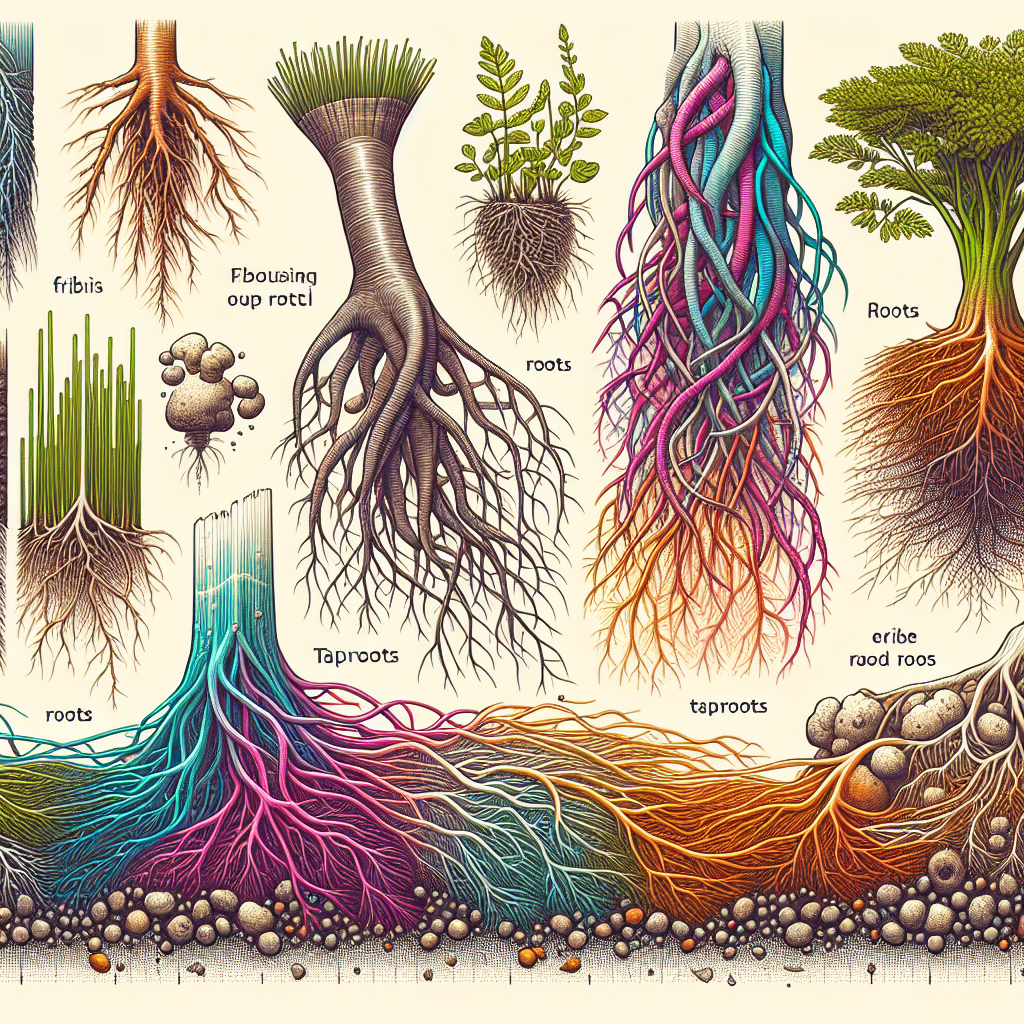
Root as Storage Organs
In many plants, roots also serve as storage organs for nutrients and carbohydrates. This is particularly evident in root vegetables like carrots, beets, and sweet potatoes. These storage roots enable plants to survive adverse weather conditions and provide energy for growth in the next growing season.
Hormonal Regulation and Signaling
Roots are not just passive systems; they actively regulate their growth and the growth of the plant through hormonal signals. Hormones such as auxins produced in the roots help to control patterns of root growth, shoot development, and fruit ripening. This hormonal interplay is crucial for the plant’s overall development and adaptability to its environment.
Roots and Ecosystem Interactions
Soil Health and Microbial Interactions
Roots contribute to the health of the soil by exuding substances that feed soil microbes. These exudates can alter the chemical and physical properties of the soil, making it more conducive to plant growth. Additionally, the decay of old roots contributes organic matter to the soil, enriching it and improving its structure.
Impact on the Rhizosphere
The rhizosphere, the region of soil that surrounds the roots, is a dynamic environment where the exchange of materials between roots and soil microbes occurs. This interaction is vital for biogeochemical cycles, including those of nitrogen and carbon, playing a key role in ecosystem productivity and health.
Misconceptions About Roots
Size and Visibility
A common misconception is that the size of a plant above ground reflects the extent of its root system. In reality, some plants have root systems that are much larger than what is visible above ground. For example, prairie grass roots can extend several meters deep into the soil, far exceeding the height of the grass itself.
Root Growth Direction
Another misunderstanding is that roots grow toward water. Roots grow in response to a combination of factors, including water gradient, gravity, and nutrient availability. Their growth direction is primarily governed by environmental cues and internal hormonal signals rather than a conscious movement towards water.
Conclusion
The roots of a plant are far more than just the anchor in the soil. They are dynamic, multifunctional structures that play critical roles in nutrient uptake, environmental interaction, structural support, and internal regulation of plant growth. Understanding the complex roles of roots enhances our appreciation of their importance in both agriculture and natural ecosystems, highlighting the necessity of preserving soil health and managing plant growth sustainably. Through careful study and management, we can ensure that roots continue to fulfill their vital roles in supporting life on Earth.