
Exploring Fermentation in Food: Essential Insights
Fermentation is a transformative process that not only preserves food but also enhances its nutritional value and flavor. This age-old practice, utilized across various cultures and cuisines, plays a crucial role in creating some of the most loved and beneficial food products worldwide.
TL;DR
- Fermentation Process: Involves the conversion of sugars into alcohol, gases, or organic acids by microorganisms under anaerobic conditions.
- Health Benefits: Increases beneficial bacteria, enhances digestibility, and often boosts the nutritional profile of food.
- Cultural Significance: Integral to many cultural dishes around the world, including kimchi, sauerkraut, and yogurt.
- Variety of Products: Includes beverages like kefir and kombucha, and foods like sourdough bread and fermented soy products.
- Misconceptions: Often confused with spoilage, although it is a controlled, safe process that inhibits harmful bacteria.
- Historical Relevance: Has been used for preservation and health purposes since ancient times.
The Science of Fermentation

How Fermentation Works
Fermentation typically occurs in an anaerobic environment where microorganisms such as bacteria, yeasts, and molds play a pivotal role. These microorganisms consume organic compounds, primarily sugars and starches, and convert them into alcohol, carbon dioxide, and organic acids. This not only preserves the food but also creates distinctive flavors, textures, and aromas.
For instance, in yogurt production, lactic acid bacteria ferment lactose, the sugar in milk, producing lactic acid which acts to preserve and coagulate the milk proteins, resulting in a thick, tangy product. Similarly, in the making of sourdough bread, a combination of lactic acid bacteria and yeasts ferments the sugars in the flour, producing gases that cause the dough to rise.
Benefits of Fermentation
Fermented foods are highly regarded for their health benefits. These include:
- Enhanced Nutritional Content: Fermentation can increase the availability of vitamins and minerals for absorption.
- Probiotic Qualities: Many fermented foods contain live microorganisms that can enhance gut flora, improving digestion and overall health.
- Detoxification: Certain fermentation processes can reduce the levels of anti-nutrients and toxins in foods.
Historical Perspectives on Fermentation
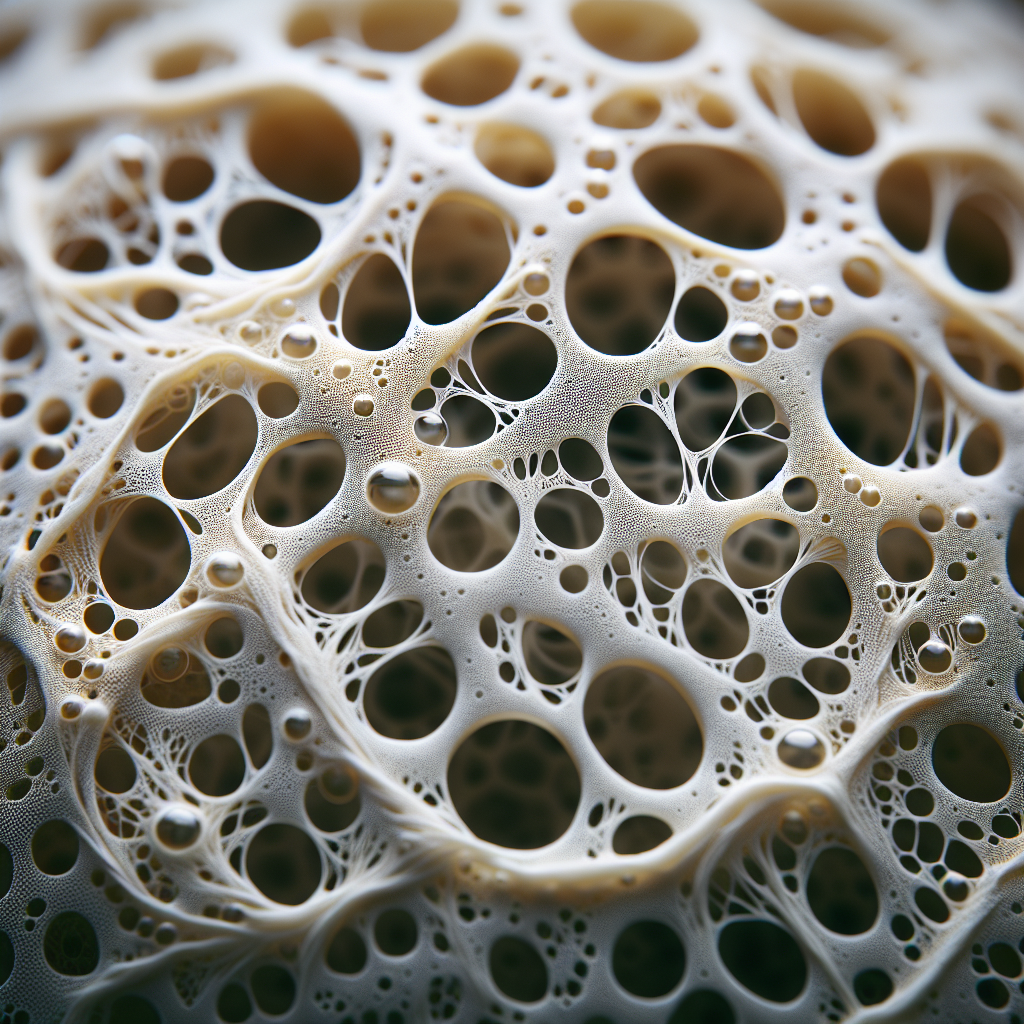
Fermentation is one of the oldest methods of food preservation, with evidence suggesting its use over 7,000 years ago in ancient civilizations such as Egypt and Babylonia. Historically, it was a vital process that allowed societies to store surplus produce for leaner times and improve the safety and digestibility of foods.
Milestones in Fermentation History
- Neolithic Period: Likely saw the advent of alcohol fermentation.
- Ancient Egypt: Used fermentation techniques for bread and beer production.
- Asia: Developed unique fermentative methods for foods like soy sauce and kimchi.
Etymology of Fermentation
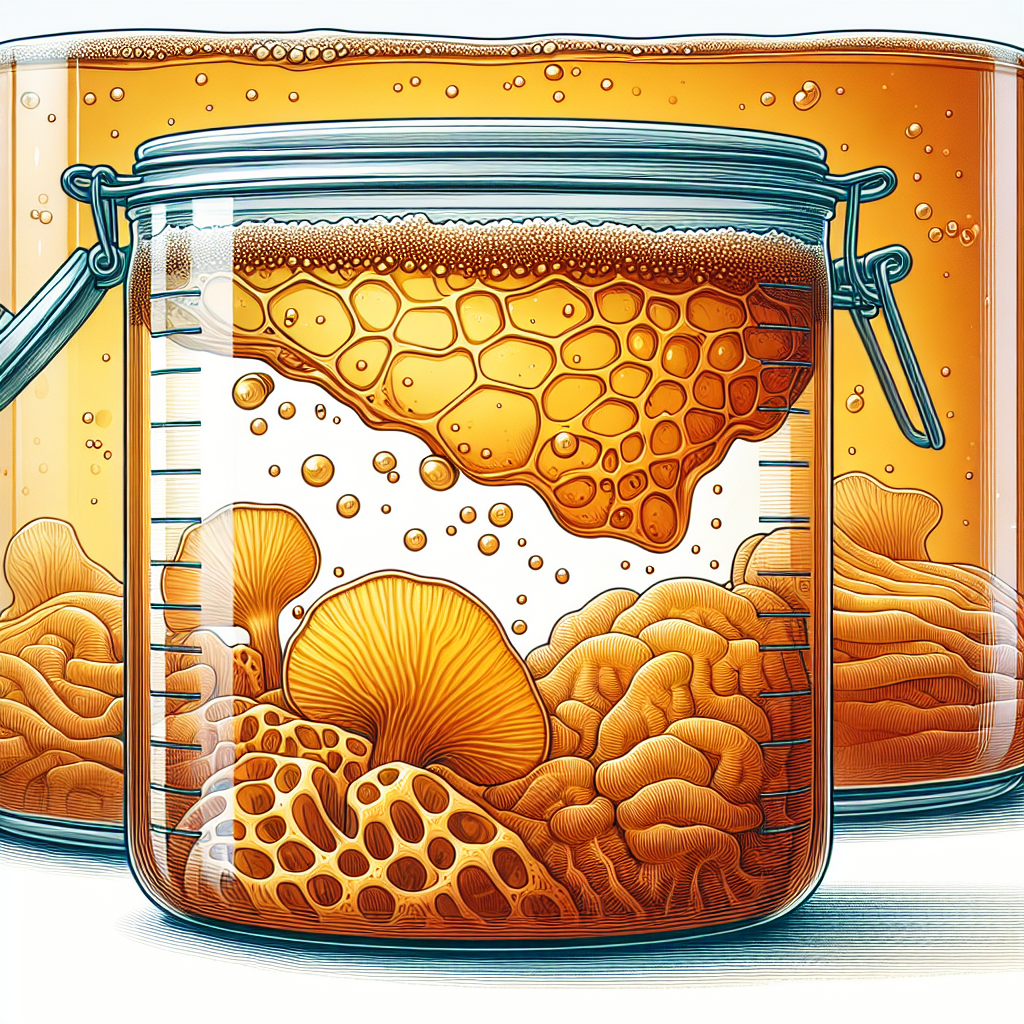
The term "fermentation" comes from the Latin word fermentare, meaning "to leaven." It was originally used to describe the process of leavening bread but has since expanded to cover all controlled enzymatic and microbial transformations of organic substances.
Cultural Impact of Fermentation
Fermentation holds a place of honor in many cultures, often associated with traditional practices and celebrations.
Examples Across Cultures
- Korea: Kimchi, a staple in Korean cuisine, is made by fermenting vegetables with a mix of spices and seasonings.
- Eastern Europe: Sauerkraut, fermented cabbage, is widely consumed, particularly in Germanic and Slavic nations.
- Middle East: Yogurt and kefir, fermented milk products, are integral to daily diets.
These foods are not only cherished for their flavors but also for their communal and health-related attributes. Fermentation festivals and workshops are common in many parts of the world, celebrating the art and science of fermentation.
Common Misconceptions About Fermentation
Despite its numerous benefits, fermentation is often misunderstood. Common misconceptions include:
- Safety Concerns: Many people equate fermentation with spoilage or rot, confusing it with the uncontrolled growth of harmful bacteria. In reality, fermentation is a controlled process that increases food safety by inhibiting pathogenic bacteria.
- Complexity: While commercial fermentation can involve sophisticated techniques, basic fermentation is straightforward and has been safely executed in home kitchens for centuries.
Conclusion
Fermentation is a fascinating and multifaceted process that offers a unique combination of flavors, health benefits, and preservation. It bridges the gap between ancient culinary traditions and modern nutritional science, highlighting the ingenious ways in which human cultures have harnessed the power of microorganisms. Understanding and appreciating the complex science and rich history behind fermentation can enhance our dietary practices and contribute to a healthier, more sustainable food system. Whether it's through enjoying a slice of sourdough bread, a serving of sauerkraut, or a sip of kombucha, the legacy and benefits of fermented foods are evident and enduring.