Unveiling the Forces Behind Wind Formation
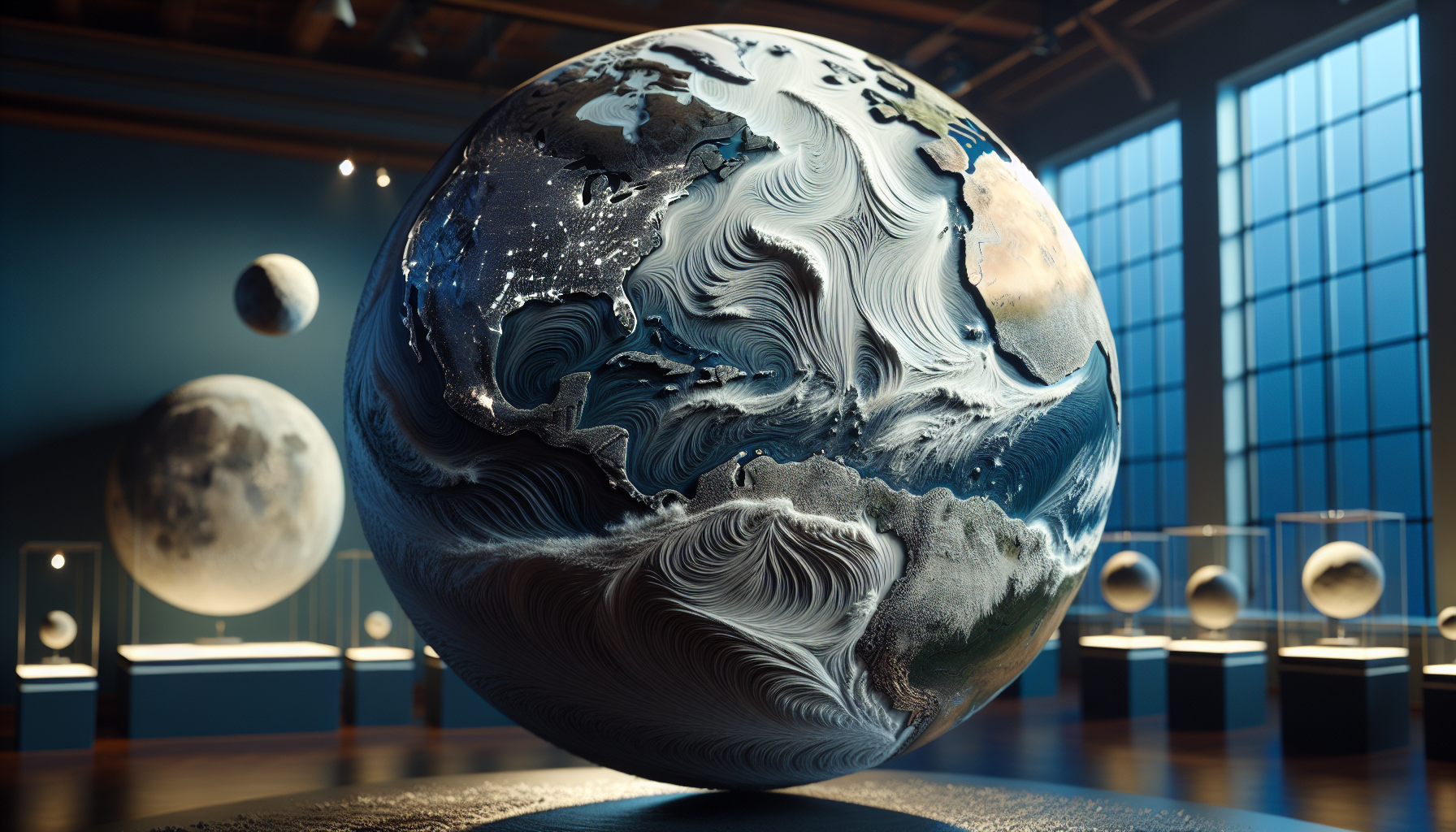
Wind is an everyday phenomenon experienced across the globe, yet its origins and behaviors are governed by complex scientific principles. From gentle breezes that rustle leaves to powerful gales that sway skyscrapers, wind plays a pivotal role in weather patterns, ecosystems, and human activities. Understanding the forces behind wind formation not only enhances our knowledge of meteorology but also aids in managing and harnessing this natural resource.
TL;DR
- Wind is primarily caused by differences in air pressure, which are largely due to temperature variations.
- The Earth’s rotation influences wind direction through the Coriolis effect.
- Local geographical features and global temperature patterns like ocean currents also affect wind formation and behavior.
- Understanding wind is crucial for various applications, including weather forecasting, sailing, flying, and wind energy generation.
- Scientific studies of wind contribute to our understanding of climate change and environmental preservation.
The Science of Wind

Fundamentals of Wind Formation
Wind is the movement of air from areas of high pressure to areas of low pressure. This movement is primarily driven by temperature differences in the Earth’s atmosphere, which are influenced by solar radiation. Sunlight unevenly heats the surface of the Earth; areas around the equator receive more direct sunlight and are warmer compared to the poles. This uneven heating results in variations in air temperature and thus air pressure, creating pressure gradients that drive air from high-pressure (cooler) areas toward low-pressure (warmer) areas.
Role of the Earth's Rotation: The Coriolis Effect
The rotation of the Earth impacts wind direction through the Coriolis effect. This phenomenon causes moving air (and water) to turn to the right in the northern hemisphere and to the left in the southern hemisphere, relative to the direction of travel. The Coriolis effect is crucial in shaping global wind patterns, including trade winds, westerlies, and polar easterlies.
Local Influences on Wind
Local geographical features such as mountains, valleys, and bodies of water can significantly alter wind patterns. For example, mountain ranges can block wind flow, creating areas of high pressure on the windward side and low pressure on the leeward side. Similarly, differences in heat absorption between land and water surfaces lead to sea breezes and land breezes, which are critical for coastal climates.
Historical Insights into Wind Study

The study of wind dates back to ancient civilizations, which recognized the importance of wind for sailing and agriculture. Early meteorologists such as Aristotle in Ancient Greece and Zhang Heng in Ancient China made initial observations about wind patterns and their effects. In the 15th century, Leonardo da Vinci made detailed studies of air flow, and in the 19th century, figures like Francis Beaufort developed scales to measure wind speed.
Etymology of "Wind"
The word "wind" comes from the Old English "wind," which itself derives from the Proto-Germanic "*windaz." Similar words exist in other Indo-European languages, indicating a common ancestral term. The term has been used in various contexts to describe both the physical phenomenon and its effects on the environment.
Cultural Significance of Wind
Cultures around the world have recognized and revered wind for its power and the critical role it plays in nature. Many mythologies feature gods or spirits of wind, such as Aeolus in Greek mythology, who is depicted as the keeper of winds. In many cultures, wind has symbolic meanings, often associated with change, freedom, and the unseen forces of life.
Common Misconceptions about Wind
- Wind is not caused by Earth’s rotation alone: While the Coriolis effect influences wind direction, the primary driver of wind is air pressure differences due to temperature variations.
- Wind speed and wind pressure are not the same: Wind speed refers to how fast the air is moving, while wind pressure is the force exerted by the wind on a surface.
- Winds do not always flow directly from high to low pressure: Due to the Coriolis effect and local geographic features, winds can flow along curved paths or be channeled through specific routes.
Conclusion
Wind is a dynamic and vital element of our planet's environmental system. Driven by the interplay of air pressure differences, the Earth's rotation, and local geographical features, wind shapes weather patterns, influences ecosystems, and affects human activities. Understanding the mechanisms behind wind formation not only deepens our appreciation of nature but also enhances our ability to predict weather, navigate seas and skies, and harness wind power for energy. As we continue to study and learn from the wind, we gain valuable insights that contribute to sustainable practices and the preservation of our environment.