Tornado Formation: The Science Behind Spinning Storms
TL;DR
- Atmospheric Instability: Warm, moist air near the ground and cooler, drier air above create conditions ripe for tornado formation.
- Wind Shear: Changes in wind direction or speed with height can cause air to rotate, setting up a potential environment for tornadoes.
- Thunderstorms: Severe thunderstorms are often precursors to tornado development, providing the necessary atmospheric conditions.
- Vortex Development: The spinning column of air that forms within these storms is what becomes a visible and destructive tornado.
- Predictive Models: Advances in meteorology have improved prediction and warning times for impending tornadoes.
Understanding Tornado Formation
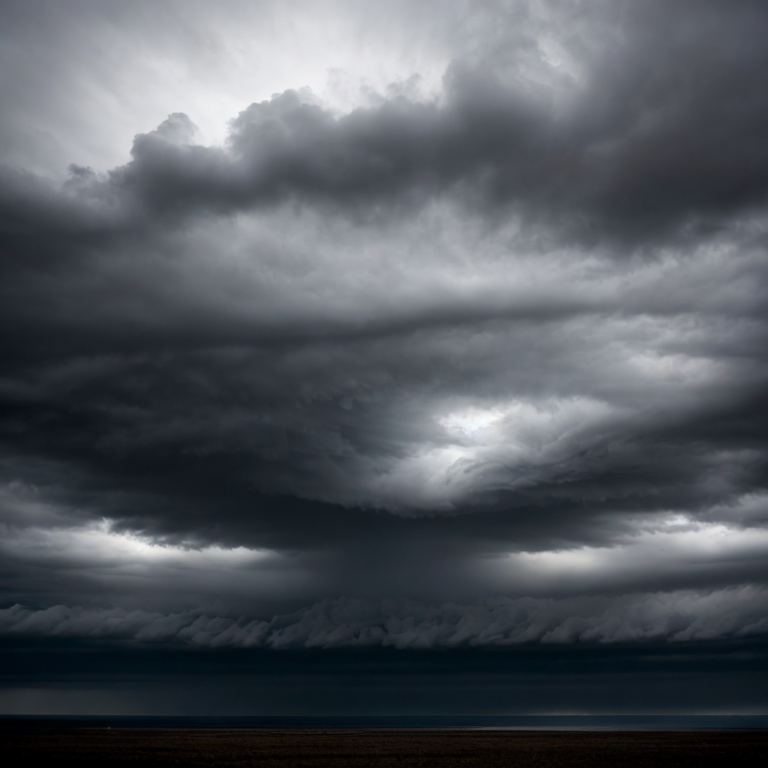
Tornadoes are powerful rotating columns of air extending from a thunderstorm to the ground. Their formation involves complex interactions between atmospheric instability, wind shear, and thunderstorms. This section delves into how these elements come together to create one of nature's most destructive weather phenomena.
Atmospheric Instability: The Foundation for Tornado Development
Atmospheric instability is crucial in tornado formation. It occurs when warm air near the surface rises quickly due to its lower density compared to cooler, denser air above it. This rapid ascent can trigger thunderstorms that may later develop into tornadic systems. For instance, a layer of warm, moist air at ground level combined with cool, dry air aloft creates an unstable environment conducive to severe weather.
Wind Shear: The Catalyst for Rotation
Wind shear, which is the change in wind speed or direction over distance and height, plays a critical role in initiating rotation within thunderstorms. Different layers of the atmosphere moving at varying speeds can create horizontal rotating columns of air (mesocyclones) above ground level. These mesocyclones often develop into tornadoes when they tilt vertically due to strong updrafts from severe thunderstorms.
Thunderstorms: The Birthplace of Tornadoes
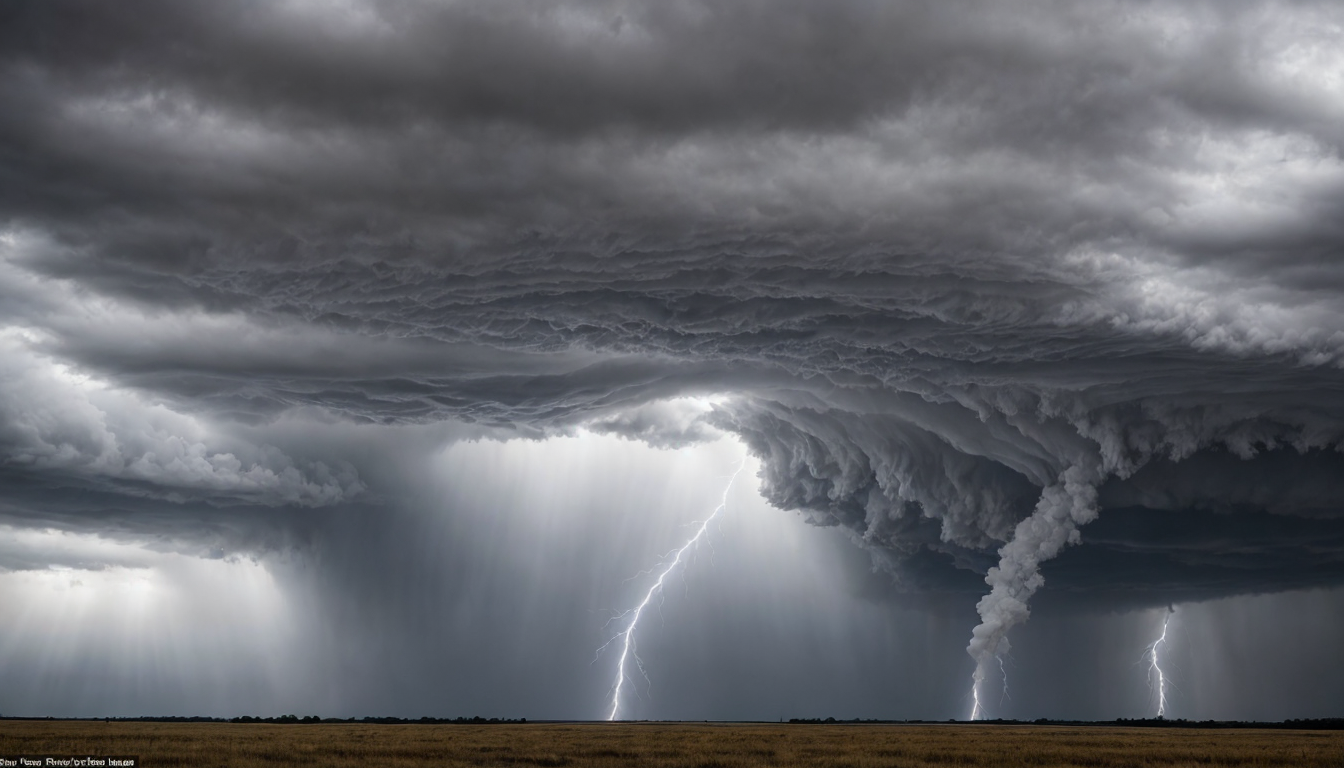
Thunderstorms serve as breeding grounds for tornadoes, especially those classified as supercells—rotating thunderstorms with a persistent rotating updraft called a mesocyclone. Supercells are particularly prone to producing tornadoes because they contain strong wind shear and atmospheric instability. When these conditions combine within a storm system, it can lead to the formation of a funnel cloud that eventually touches down on the ground as a tornado.
Vortex Development: From Thunderstorm to Tornado
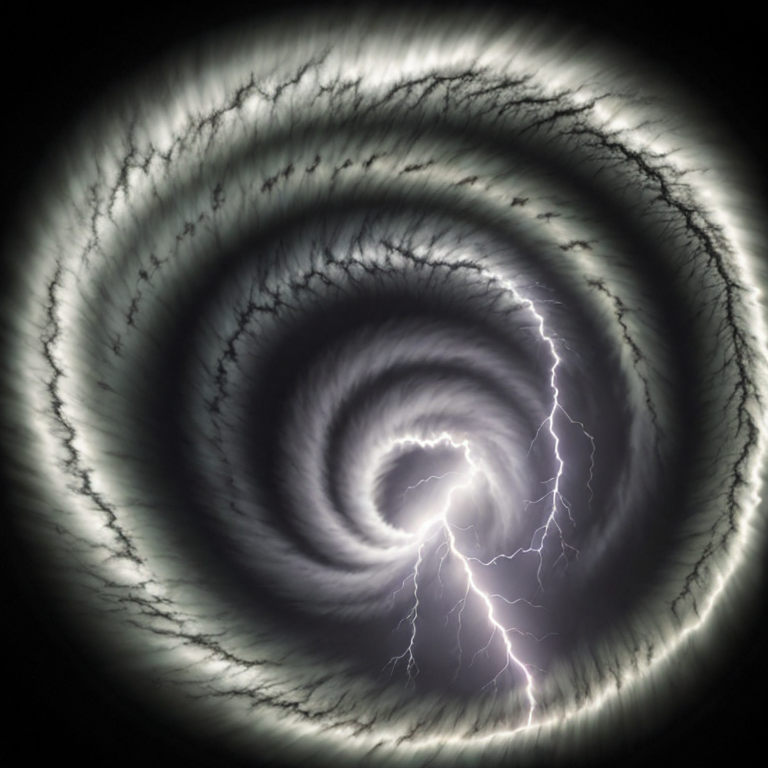
Once a mesocyclone forms in a thunderstorm due to favorable wind shear and instability, it may become vertically oriented through updrafts. As this process continues, the rotating column of air can intensify and narrow, forming a funnel cloud. If the conditions persist and strengthen, this funnel will touch down on the ground as a tornado. The vortex development stage is critical in transitioning from thunderstorm to destructive tornado.
Historical Context: Tracking Tornadoes Over Time
The study of tornadoes has evolved significantly since early observations noted their occurrence. In the 19th century, scientists began documenting tornado tracks and patterns, laying the groundwork for modern meteorology. With advancements in technology such as Doppler radar and satellite imagery, forecasters can now detect developing thunderstorms more accurately, providing crucial warnings to communities at risk.
Early Observations: The Birth of Tornado Science
Early accounts of tornadoes were often anecdotal or based on eyewitness reports. However, systematic studies began in the late 19th century with pioneers like John Park Finley and William C. Mooney, who established the first storm-chasing programs and developed methods for tracking tornado paths. These early efforts set the stage for more detailed scientific inquiry into these phenomena.
Technological Advancements: Enhancing Prediction Capabilities
The advent of Doppler radar in the 1980s revolutionized tornado forecasting by allowing meteorologists to detect rotation within thunderstorms before a funnel cloud forms. This technology has been instrumental in improving warning times and reducing casualties from tornadoes. Satellite imagery also provides valuable data on atmospheric conditions conducive to severe weather, further enhancing predictive models.
Cultural Impact: Tornadoes in Society
Tornadoes have left an indelible mark on popular culture through literature, film, and media coverage. These powerful storms often serve as dramatic backdrops for narratives that highlight human resilience and the unpredictability of nature. Additionally, tornado research plays a vital role in advancing our understanding of atmospheric science and improving safety measures.
Media Portrayals: Tornadoes in Pop Culture
Tornadoes frequently appear in movies, TV shows, and books, often depicted as harbingers of chaos and destruction. Films like "Twister" (1996) have even romanticized the act of storm chasing, showcasing the risks taken by meteorologists to study these dangerous phenomena up close.
Public Awareness: The Role of Media in Safety
Media coverage plays a crucial role in raising public awareness about tornado safety. News outlets frequently broadcast severe weather warnings and provide instructions on how to stay safe during an approaching tornado. This information dissemination is essential for reducing the impact of these storms on communities.
Misconceptions About Tornadoes: Separating Fact from Fiction
Despite extensive research, many misconceptions persist regarding tornado formation and behavior. Some common myths include the belief that opening windows can prevent damage or that tornadoes do not occur in urban areas. Understanding the science behind tornadoes is key to dispelling these myths and promoting accurate information.
Common Myths Debunked
- Opening Windows: Opening windows does not mitigate the impact of a tornado; it only increases the risk of injury from flying debris.
- Urban Immunity: Tornadoes can form anywhere, including urban areas. The misconception that they avoid cities is unfounded and dangerous.
- Directional Movement: Contrary to popular belief, tornadoes do not always move in a predictable direction (e.g., always moving northeast). Their paths are highly variable.
Conclusion: Understanding Tornado Formation for Safer Communities
Understanding the science behind tornado formation is crucial for enhancing public safety measures. By recognizing the critical role of atmospheric instability and wind shear in fostering these powerful storms, meteorologists can provide more accurate forecasts and warnings. Continued research into tornado dynamics will further improve our ability to predict and mitigate the impacts of these destructive weather events.
As advancements in technology and atmospheric science continue, so too does the potential for better protection against tornadoes. Collaboration between researchers, forecasters, and communities remains essential in reducing the risks associated with these formidable natural phenomena.