
Understanding Tornado Formation: The Science Explained
Tornadoes are one of nature's most powerful and enigmatic phenomena, capable of causing widespread destruction within minutes. Understanding how these formidable weather events form is crucial for predicting and mitigating their impact.
TL;DR
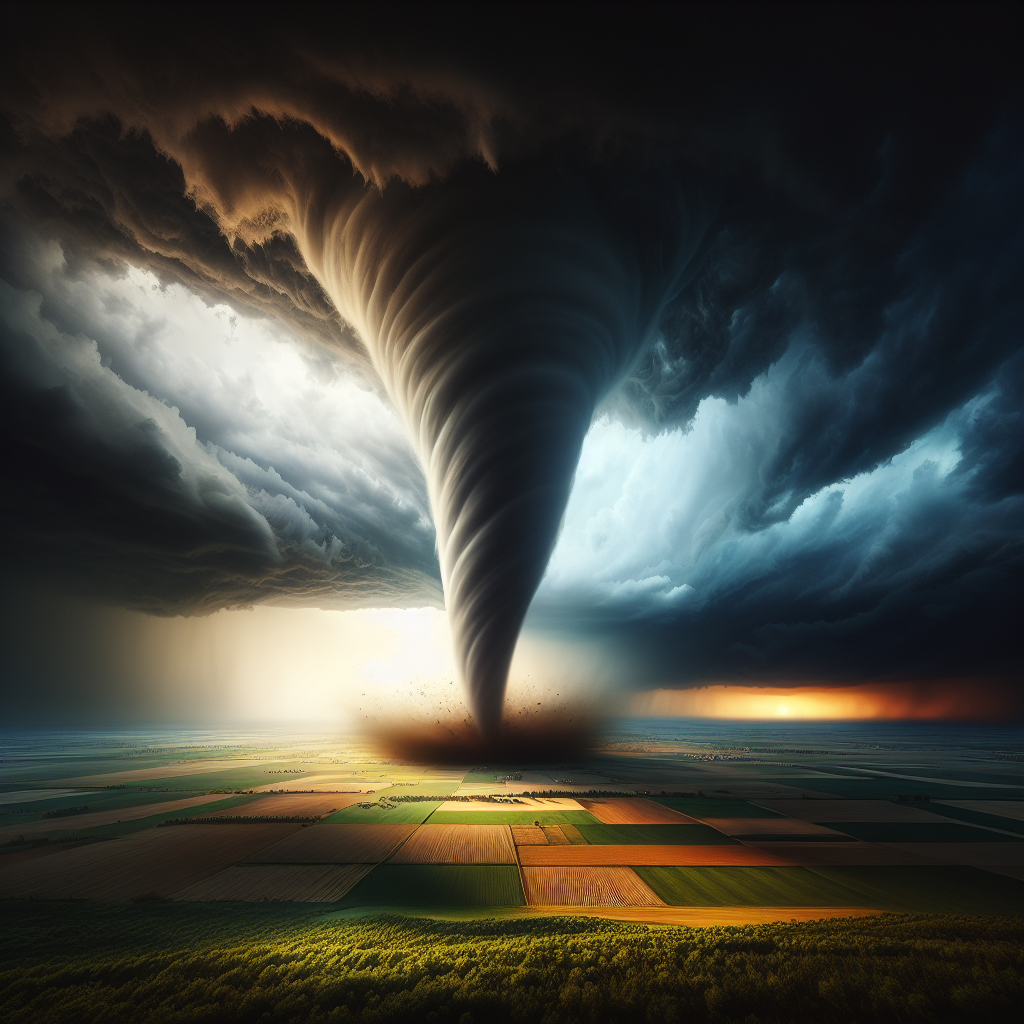
- Tornado Formation: Tornadoes typically form from severe thunderstorms, especially those known as supercells, which have a rotating updraft called a mesocyclone.
- Atmospheric Conditions: Key conditions for tornado formation include a combination of moist, warm air near the surface and cooler, dry air above.
- Wind Shear: Significant wind shear—changes in wind speed and direction with height—is essential in creating the rotational movement needed for tornadoes.
- Enhanced Instability: Atmospheric instability, fueled by temperature and moisture differences in different air layers, plays a critical role.
- Geographical Factors: Certain areas, like the U.S. Great Plains, are more prone to tornadoes due to their geographical and atmospheric conditions.
- Detection and Prediction: Advances in meteorological technology have improved tornado prediction, aiding timely warnings and potentially saving lives.
The Science of Tornado Formation

Atmospheric Ingredients for a Tornado
Tornadoes are formed through a complex interplay of atmospheric conditions. The primary ingredients include:
- Moisture: A plentiful supply of low-level moisture is necessary to contribute to the formation of a thunderstorm.
- Instability: Warm air at the surface, overlaid by cooler air aloft, creates an unstable atmosphere conducive to the rising motion of air.
- Wind Shear: Variations in wind speed and direction with altitude are crucial for the development of rotation in the storm.
The Role of Supercells
Supercells are highly organized thunderstorms characterized by a deep, persistently rotating updraft (mesocyclone). About 30% of supercells lead to tornadoes. These storms have a unique structure that allows them to sustain themselves for many hours, making them particularly dangerous.
Process of Tornado Development
The formation of a tornado follows several stages:
- Storm Initiation: When warm, moist air rises and interacts with cold air, thunderstorms can develop.
- Mesocyclone Formation: Wind shear causes the rising air within the thunderstorm to rotate, forming a mesocyclone.
- Tornado Development: Under certain conditions, the rotation can tighten and intensify, eventually leading to the formation of a tornado vortex.
Historical Perspectives on Tornado Formation
Early Theories and Observations
Historically, tornadoes were a source of mystery and fascination. Early theories often lacked the scientific framework we have today and sometimes attributed tornadoes to supernatural causes.
Advances in Tornado Science
The modern understanding of tornadoes began to develop in the 20th century with the establishment of the Fujita Scale by Dr. Ted Fujita in the 1970s. This scale helped categorize tornadoes by the damage they caused and was a significant step forward in the scientific study of tornadoes.
Geographical and Seasonal Patterns
Tornado Alley
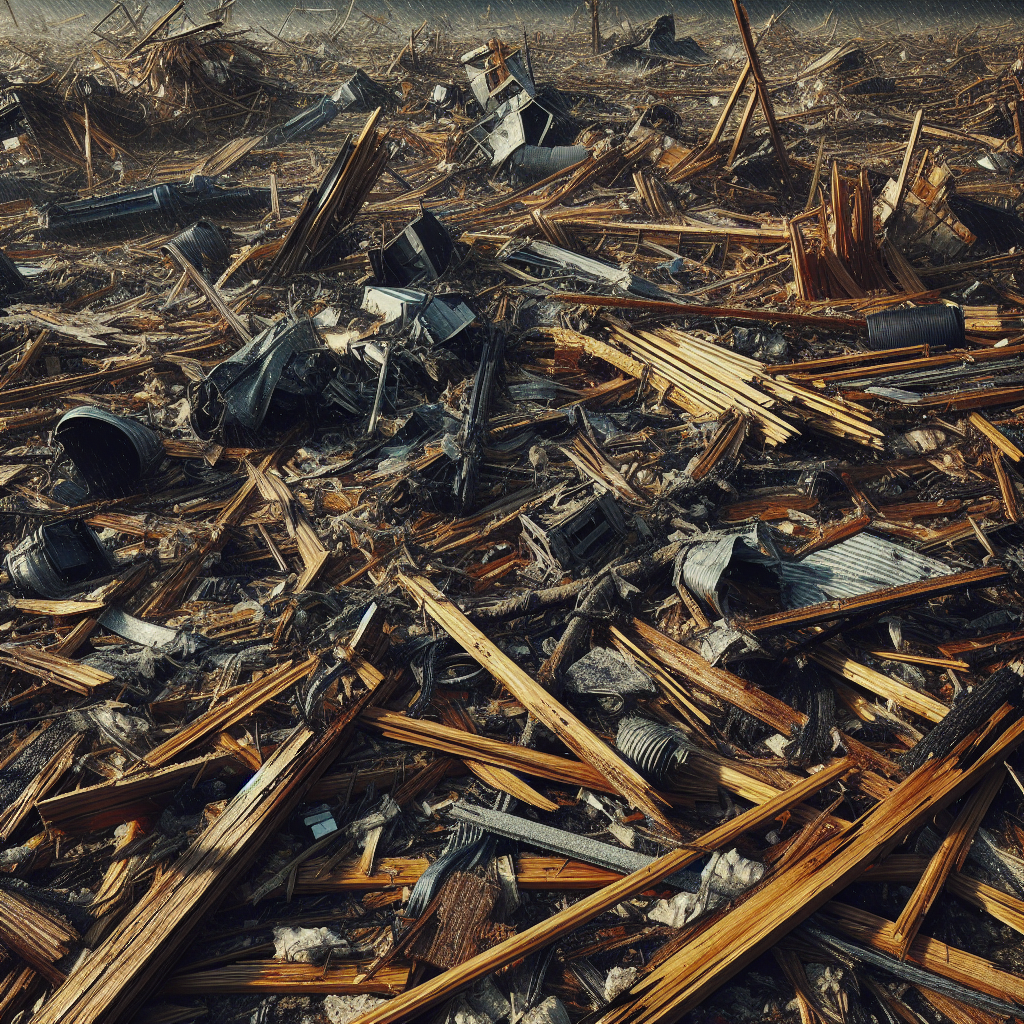
The United States' Great Plains, known as Tornado Alley, is infamous for its frequent and intense tornadoes. This region's unique geographical features contribute to the frequent formation of tornadoes, particularly during the spring and early summer.
Global Occurrences
While the U.S. accounts for the majority of the world's tornadoes, other regions including parts of Canada, Australia, Europe, and Asia also experience tornadoes, each influenced by local atmospheric conditions.
Common Misconceptions About Tornadoes
The Funnel Cloud Myth
A common myth is that the funnel cloud must touch the ground to be considered a tornado. In reality, a tornado is defined by the circulation reaching the ground, not necessarily the visible funnel.
Tornadoes and Climate Change
There is ongoing research into the effects of climate change on tornado frequency and intensity. While some theories suggest that a warming climate could influence tornado activity, definitive conclusions are yet to be drawn.
Conclusion
Understanding tornado formation is a complex, yet vital part of meteorology, especially in regions prone to these violent storms. By studying the atmospheric conditions that lead to tornadoes, scientists can better predict and warn the public of potential threats, ultimately saving lives and reducing damage. Continued research and advances in technology are crucial in enhancing our understanding and response to these unpredictable natural events. As our climate evolves, so too will our strategies for dealing with the challenges posed by tornadoes.