Ghostly Faces in Toast: Real or Hoax?
TL;DR:
- Stories of ghostly faces appearing on toast are widespread and often shared online.
- Skeptics argue that these images result from pareidolia, a common psychological phenomenon.
- There is no scientific evidence supporting the idea that ghosts manifest in food patterns.
- Cultural fascination with supernatural bread dates back centuries.
The Science Behind Ghostly Toast
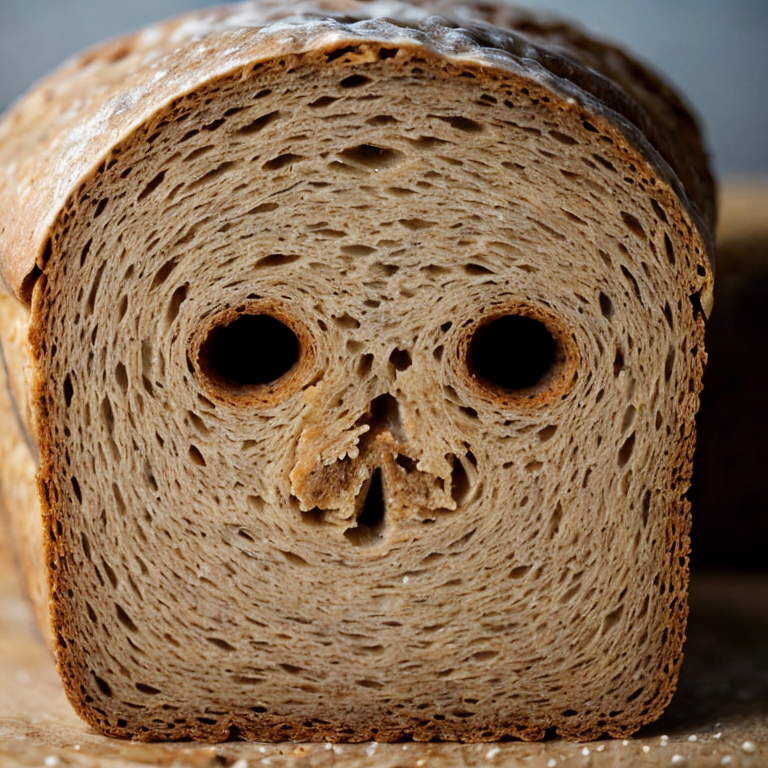
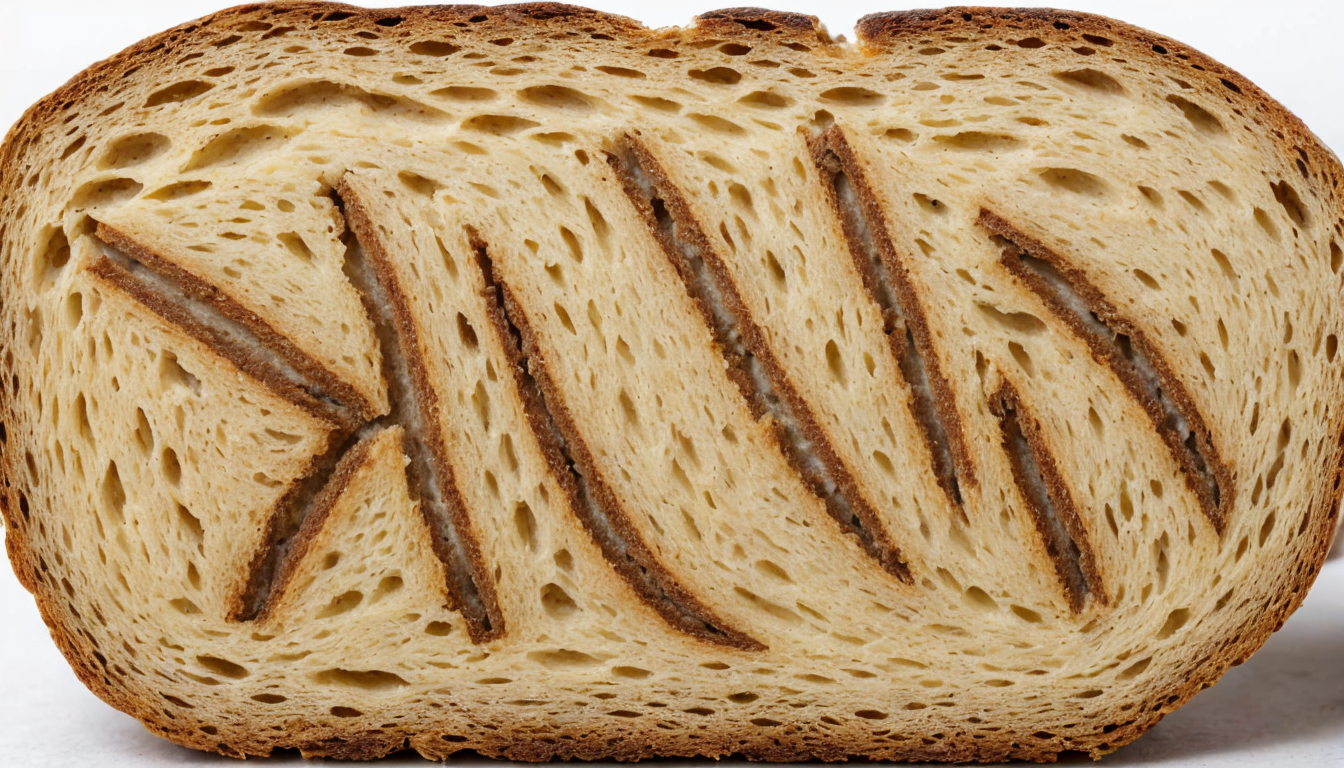
Pareidolia is the human tendency to perceive familiar shapes, such as faces or animals, in random and unrelated stimuli. This cognitive bias often manifests when people observe abstract images like clouds, ink stains, or toast marks. When someone sees a face-like pattern on their toast, they may be experiencing pareidolia.
Neurological Basis
The brain's visual cortex processes incoming sensory data, which includes identifying patterns and faces. Evolutionarily speaking, humans have developed an acute ability to recognize faces because it plays a crucial role in social interaction and survival. When the brain detects what appears to be a face, even if it’s just a random pattern on toast, it can trigger emotional responses such as fear or surprise.
Role of Context
Context also influences how people interpret visual stimuli. If someone is already thinking about ghosts or paranormal phenomena when they eat breakfast, their mind may more readily perceive ghostly faces in the patterns of their food. This phenomenon demonstrates how mental states and expectations shape perception.
Historical Background and Cultural Significance
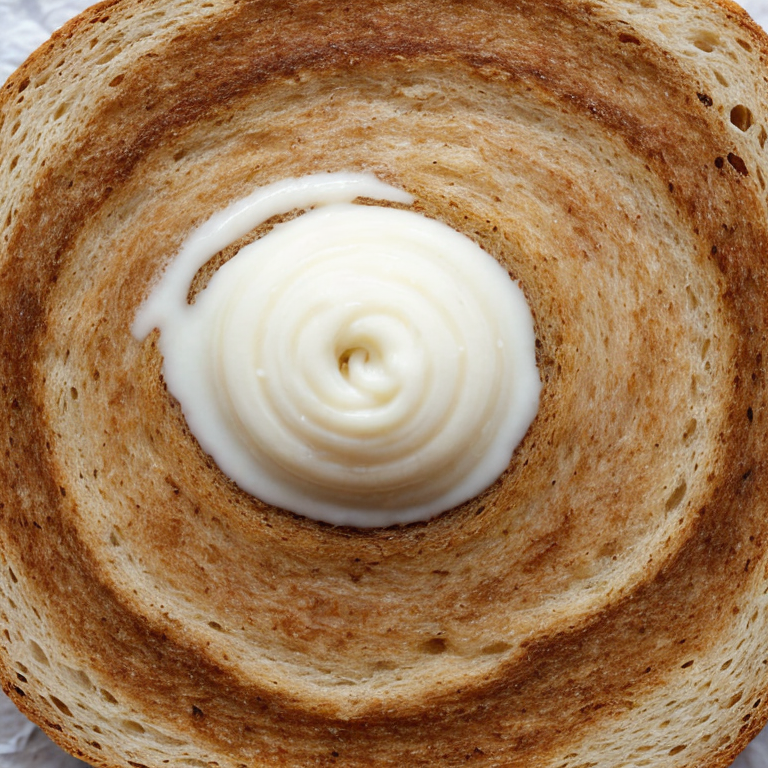
The idea that supernatural entities can manifest in everyday objects has roots in folklore and religious beliefs spanning many cultures throughout history. In medieval Europe, people believed that certain breads could be cursed by witches or contain spirits from the Otherworld. Similarly, Native American tribes had legends about enchanted maize and cornbread that held mystical properties.
Cultural Representations
In modern times, ghostly faces appearing on toast have become a popular internet meme and social media phenomenon. People share images of their breakfast with messages like "I saw a face in my toast this morning!" or "Is it just me, or does this look like a ghost?" These posts often attract comments from others who claim to have seen similar apparitions.
Etymology and Terminology
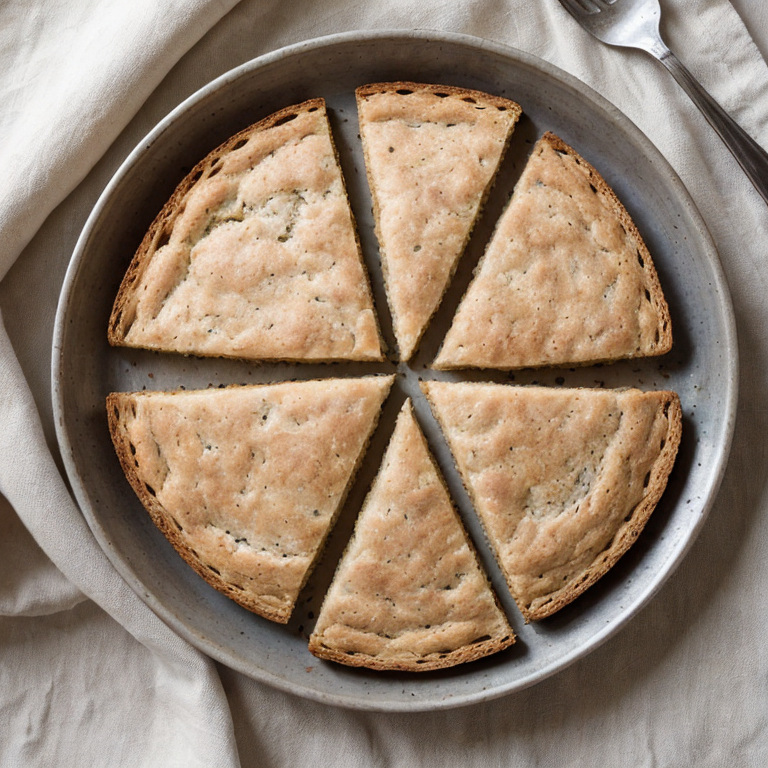
The term "toast ghost" is relatively recent, emerging as part of internet culture around the early 2000s. Before widespread use of digital media, people might refer to such phenomena using more general terms like “supernatural bread” or “anomalous patterns.” The specific idea of ghosts manifesting in toast has gained traction due to its visual appeal and shareability online.
Related Phrases
- Face in the Toast: A colloquial term for seeing a face-like pattern on toasted bread.
- Bread Apparitions: Refers generally to any supernatural or ghostly phenomenon associated with baked goods.
- Toast Messages: Used when someone believes they see written messages or symbols in toast patterns.
Misconceptions and Skepticism
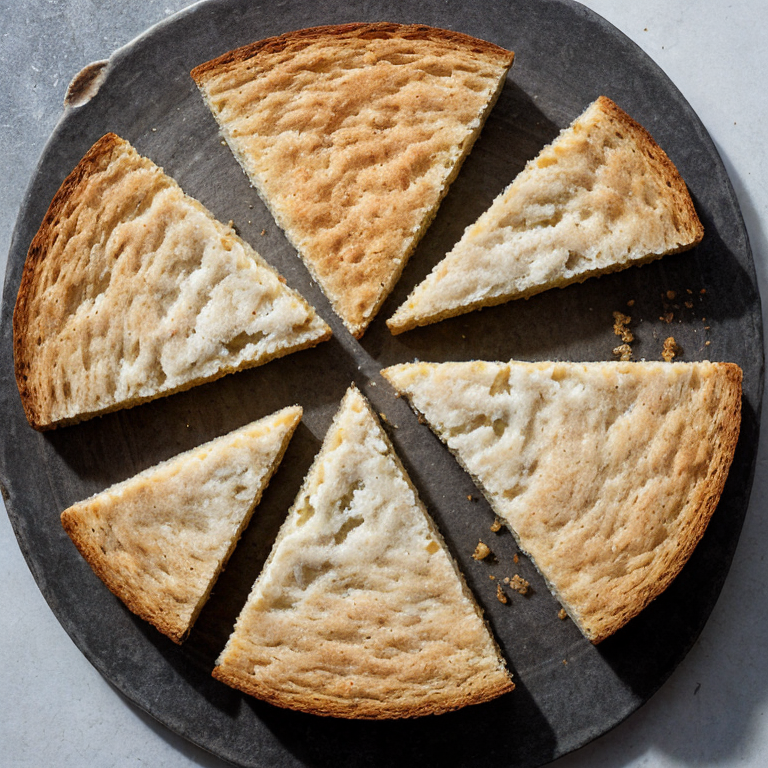
Despite the widespread belief that seeing faces in toast is a paranormal occurrence, many skeptics argue that there are more plausible explanations. For instance, some researchers suggest that people may be more likely to notice and share images of ghostly faces if they already believe in ghosts or have recently been exposed to related content.
Psychological Explanations
Psychologists point out that pareidolia is a natural human tendency rather than evidence of the supernatural. The brain's pattern recognition skills can sometimes lead to false positives, especially when people are primed to expect certain types of stimuli. For example, if someone is watching horror movies before breakfast and then sees what looks like a ghost in their toast, it’s likely due to heightened suggestibility.
Debunking Claims
Claims about ghosts manifesting in toast lack empirical evidence. No scientific study has confirmed the existence of supernatural entities communicating through food patterns. Instead, most experts agree that such phenomena are best explained by psychological processes rather than paranormal activity.
Conclusion
While stories of ghostly faces appearing on toast continue to captivate public imagination, they remain unverified and unsupported by scientific research. The human tendency towards pareidolia explains why people may perceive familiar shapes in random patterns, especially when influenced by cultural beliefs or recent experiences related to the supernatural. Understanding these psychological mechanisms helps demystify seemingly eerie occurrences in everyday objects like toast.
Ultimately, while it’s fun to speculate about ghostly messages from beyond, there is no credible evidence suggesting that such phenomena are anything more than a curious aspect of human perception and imagination.