Exploring Salt Extraction: Methods and Innovations
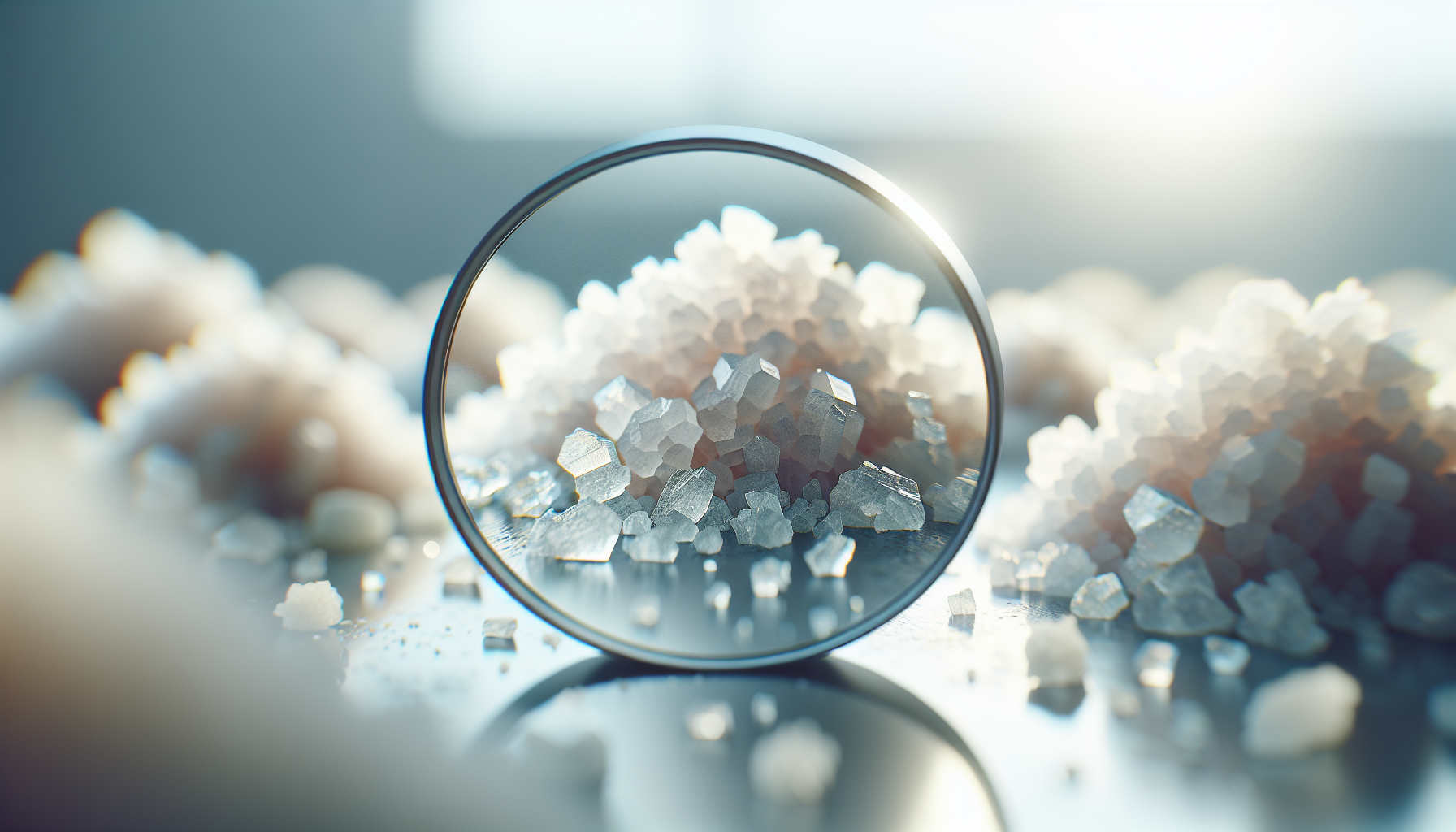
Salt, a mineral composed primarily of sodium chloride (NaCl), is essential for life on Earth and has been a cornerstone of human civilization. Its extraction from the earth and sea is a fascinating process, involving various techniques that have evolved over centuries. This article delves into the methods used to extract salt, highlighting both traditional practices and modern innovations.
TL;DR
- Salt is extracted through mining, solar evaporation, and vacuum evaporation.
- Sea salt is harvested using solar evaporation in salt pans.
- Rock salt is mined directly from underground deposits.
- Modern techniques include the use of controlled environments and advanced machinery.
- Environmental impacts are a significant concern in salt extraction.
- Innovations aim to increase efficiency and reduce ecological damage.
Methods of Salt Extraction

The extraction of salt is achieved through several methods, each suited to particular types of salt deposits and influenced by local environmental conditions.
Mining Rock Salt
Rock salt is extracted from underground deposits formed by the evaporation of ancient seas. This method involves traditional mining techniques:
- Room and Pillar Mining: This is the most common method where miners dig out salt using machinery or explosives, leaving pillars to support the roof of the mine.
- Drill and Blast Method: Involves drilling holes into the salt deposit and then blasting it with explosives to break the salt into manageable pieces.
Solar Evaporation
Solar evaporation is the oldest method of salt extraction, primarily used for producing sea salt. It involves a series of steps:
- Seawater Collection: Seawater is collected in shallow ponds or salt pans.
- Water Evaporation: The sun and wind evaporate the water, leaving behind concentrated brine.
- Crystallization: As the water evaporates further, salt begins to crystallize out of the brine.
- Harvesting: The salt is then harvested manually or with the help of machines.
Vacuum Evaporation
Vacuum evaporation is a more modern technique used primarily for producing table salt from brine, whether sourced from the sea or from underground wells. The process includes:
- Brine Preparation: Water is pumped into underground salt deposits to dissolve the salt, creating a brine.
- Heating and Evaporation: The brine is heated under a vacuum, which lowers the boiling point and speeds up the evaporation process.
- Crystallization: Salt crystals form as the water evaporates and are then collected.
Environmental Impact of Salt Mining
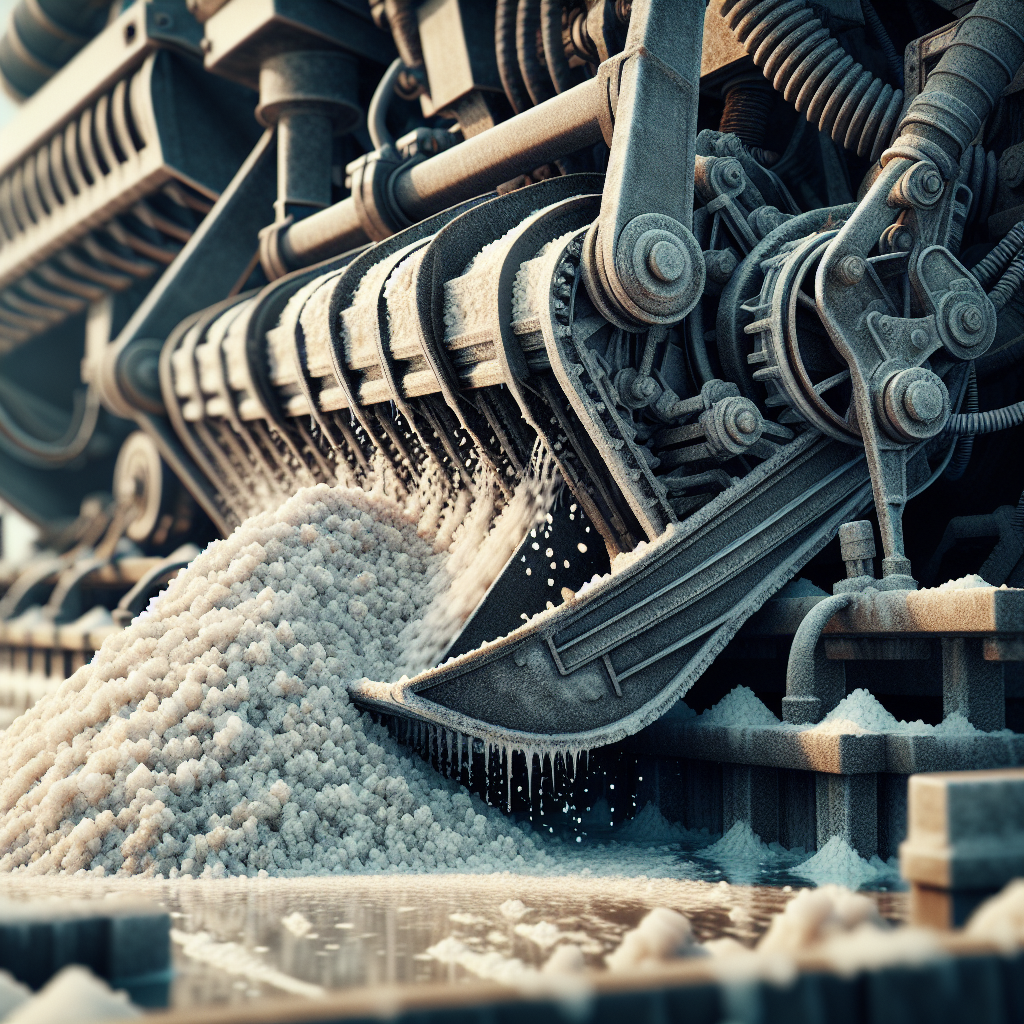
The extraction of salt has notable environmental impacts, including:
- Land Degradation: Large-scale salt extraction can lead to soil degradation and subsidence, affecting local ecosystems.
- Water Pollution: The runoff from salt mining can increase salt concentration in nearby waters, harming aquatic life.
- Air Pollution: Mining operations can release dust and particulates into the air, impacting air quality.
Efforts to mitigate these impacts include improved mining practices, wastewater treatment, and the restoration of habitats affected by salt extraction activities.
Innovations in Salt Extraction

Technological advancements have led to more efficient and environmentally friendly salt extraction methods:
- Automated Harvesting: Machines that automatically adjust to the optimal harvesting depth to reduce waste.
- Energy-efficient Evaporation Technologies: Using solar or wind energy to power evaporation processes.
- Precision Mining Techniques: GPS and IoT-enabled devices that enhance precision in mining operations, minimizing environmental disruption.
Future Prospects
The future of salt extraction is likely to focus on sustainability and efficiency. Innovations such as genetically engineered bacteria that can clean salt-contaminated waters or new crystallization techniques that minimize energy consumption are being explored.
Conclusion
Salt extraction is a critical industry that balances the needs of global consumption with the imperatives of environmental stewardship. Through a combination of traditional practices and modern technologies, the industry seeks to ensure the sustainable and efficient production of one of humanity's most ancient and indispensable minerals. As we continue to develop and refine these methods, the focus will increasingly lean towards minimizing environmental impact while meeting the growing global demand.