Exploring the Internet: How It Connects Us Globally
The internet, a vast network connecting millions of computers globally, has become an essential part of daily life, influencing how we communicate, work, and access information. Understanding its fundamental mechanisms and principles can demystify how such a complex system functions seamlessly across continents.
TL;DR
- The internet is a global network of computers that communicate via standardized protocols.
- Data is transmitted over the internet using a method known as packet switching.
- Internet Protocol (IP) addresses and the Domain Name System (DNS) play crucial roles in directing data accurately.
- Physical infrastructure like routers, servers, and data centers form the backbone of the internet.
- Internet Service Providers (ISPs) facilitate our access to the internet by connecting us to this broader network.
- Ongoing advancements in technology and infrastructure continue to enhance the speed, efficiency, and reliability of internet connectivity.
How the Internet Functions

The Basics of Network Communication
At its core, the internet is a network of computers linked by cables, wireless signals, and satellite links. The primary mode of communication over this network is through the transmission of data in small packets. Each packet contains a portion of the data being sent, along with headers specifying the destination (by IP address), the source, and how to reassemble the data once it reaches its final destination.
Packet Switching: The Heart of Data Transmission
Packet switching, the fundamental strategy for data transmission on the internet, involves sending data in discrete chunks or packets. Each packet travels independently across the network and can take different paths to reach the same destination. This method enhances the efficiency and reliability of data transfer, as it allows the network to continuously adjust the routing based on current traffic conditions.
Role of IP Addresses and DNS
- IP Addresses: Every device connected to the internet is assigned a unique IP address which identifies the device on the network. This address is used to ensure that data sent over the internet reaches the correct destination.
- Domain Name System (DNS): Because IP addresses are numerical and difficult for humans to remember, the DNS translates more memorable domain names (like www.example.com) into IP addresses that computers use to communicate with each other.
Network Infrastructure
Key Components
- Routers: Devices that forward data packets between computer networks. Routers play a crucial role in determining the best path for data across the network.
- Servers: Powerful computers that store data and serve resources to other computers on the network.
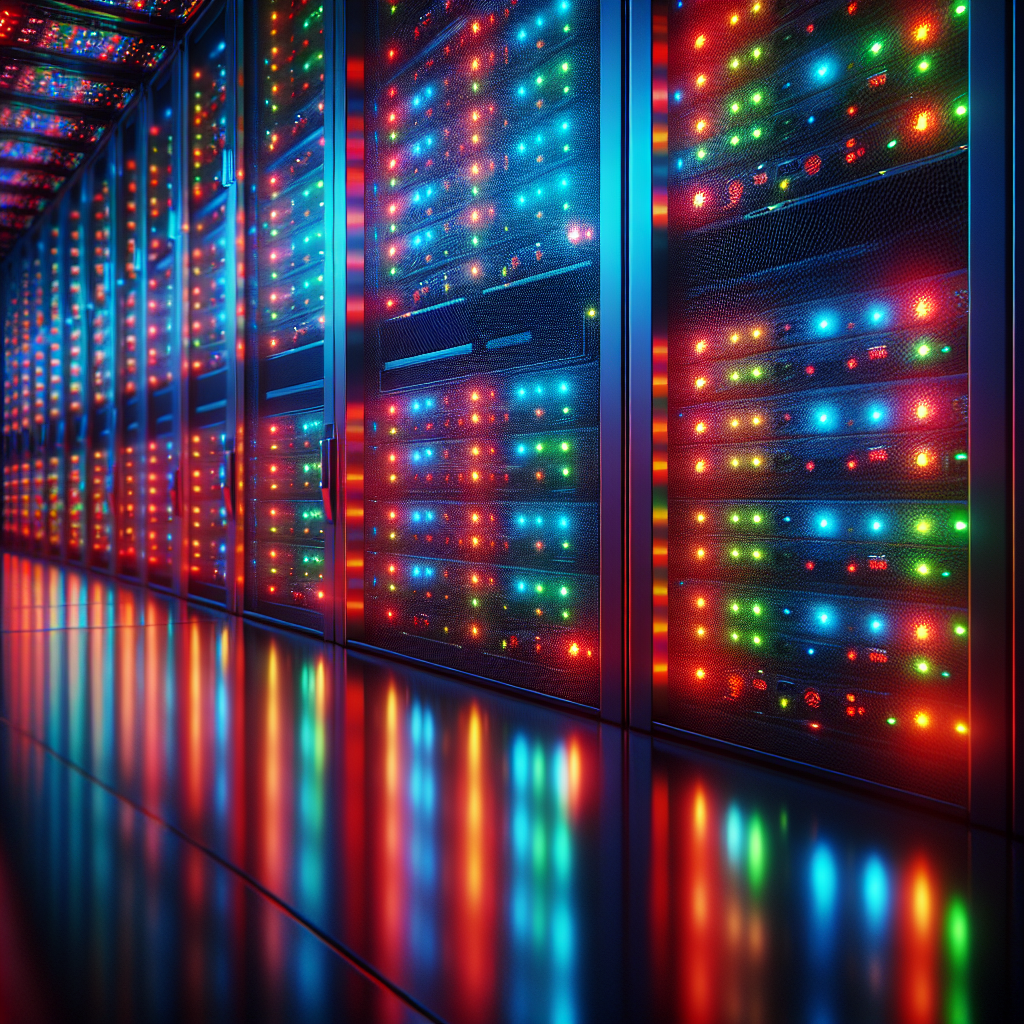
- Data Centers: Facilities that house large numbers of servers and data storage systems. They are the backbone of cloud services and online applications.
Internet Service Providers (ISPs)
ISPs are companies that provide individuals and other companies access to the internet. They connect customers to their network, providing them with IP addresses and access to the DNS. ISPs range from small community providers to large multinational corporations.
History of the Internet

The internet originated from a military research project in the late 1960s in the United States. The initial aim was to create a communications network that could withstand nuclear war. Dubbed ARPANET, it initially connected four major computers at universities in the southwestern US. The technology quickly spread to other educational and government institutions, laying the groundwork for the modern internet.
The Role of Data Centers
Data centers are crucial for the digital age, handling the storage, processing, and dissemination of vast amounts of data. They support everything from streaming services and social media platforms to corporate data and cloud computing services. The efficiency and security of data centers directly impact the performance and reliability of the internet.
Internet Security Measures
As much as the internet has created opportunities, it has also introduced risks like data theft, fraud, and viruses. Security measures such as encryption, firewalls, and secure protocols like HTTPS help protect data and ensure privacy. Internet security is a constantly evolving field, requiring ongoing improvements to keep up with new threats.
Evolution of Internet Technology
From dial-up connections in the early days to modern fiber-optic and wireless connections, internet technology has evolved rapidly. Innovations like 5G and improved satellite internet are set to further revolutionize connectivity, particularly in underserved areas.
Impact of Internet on Society
The internet has transformed virtually every aspect of society. It has reshaped how we communicate, learn, shop, and entertain ourselves. It has also played a pivotal role in global economics and politics, connecting markets and fostering dialogues between diverse cultures.
Future of Internet Connectivity
Looking ahead, the internet is poised to become more integrated into daily life through the Internet of Things (IoT), connecting everything from household appliances to vehicles. Moreover, efforts to close the digital divide, ensuring equitable internet access for all, continue to be a critical focus globally.
Conclusion
The internet is a dynamic and complex entity, driven by continuous technological advancements and an ever-expanding network infrastructure. Understanding its basic principles and components can help demystify how it works and appreciate the incredible engineering behind our global connectivity. As technology progresses, the internet will undoubtedly continue to evolve, offering new ways to connect and interact with the world around us.