How Does a Microwave Oven Heat Food? Unveiling the Science
Microwave ovens are a staple in kitchens around the world, known for their ability to quickly heat and cook food. But how exactly does this common appliance work to heat your meal efficiently and safely? This article delves into the scientific principles behind microwave ovens, exploring how they use electromagnetic radiation to energize the molecules within food, resulting in increased temperature and cooked meals.
TL;DR
- Microwave ovens use electromagnetic waves called microwaves to heat food.
- These microwaves specifically excite water molecules, causing them to vibrate rapidly and generate heat.
- The process of heating in microwaves is known as dielectric heating or microwave heating.
- Microwave cooking can be uneven due to the varying distribution and amount of water in different parts of the food.
- Microwaves are contained within the oven by a metal enclosure and a door with a protective mesh screen.
- Understanding the proper use and limitations of microwave ovens can enhance cooking safety and food quality.
The Science of Microwave Heating

How Microwaves Work
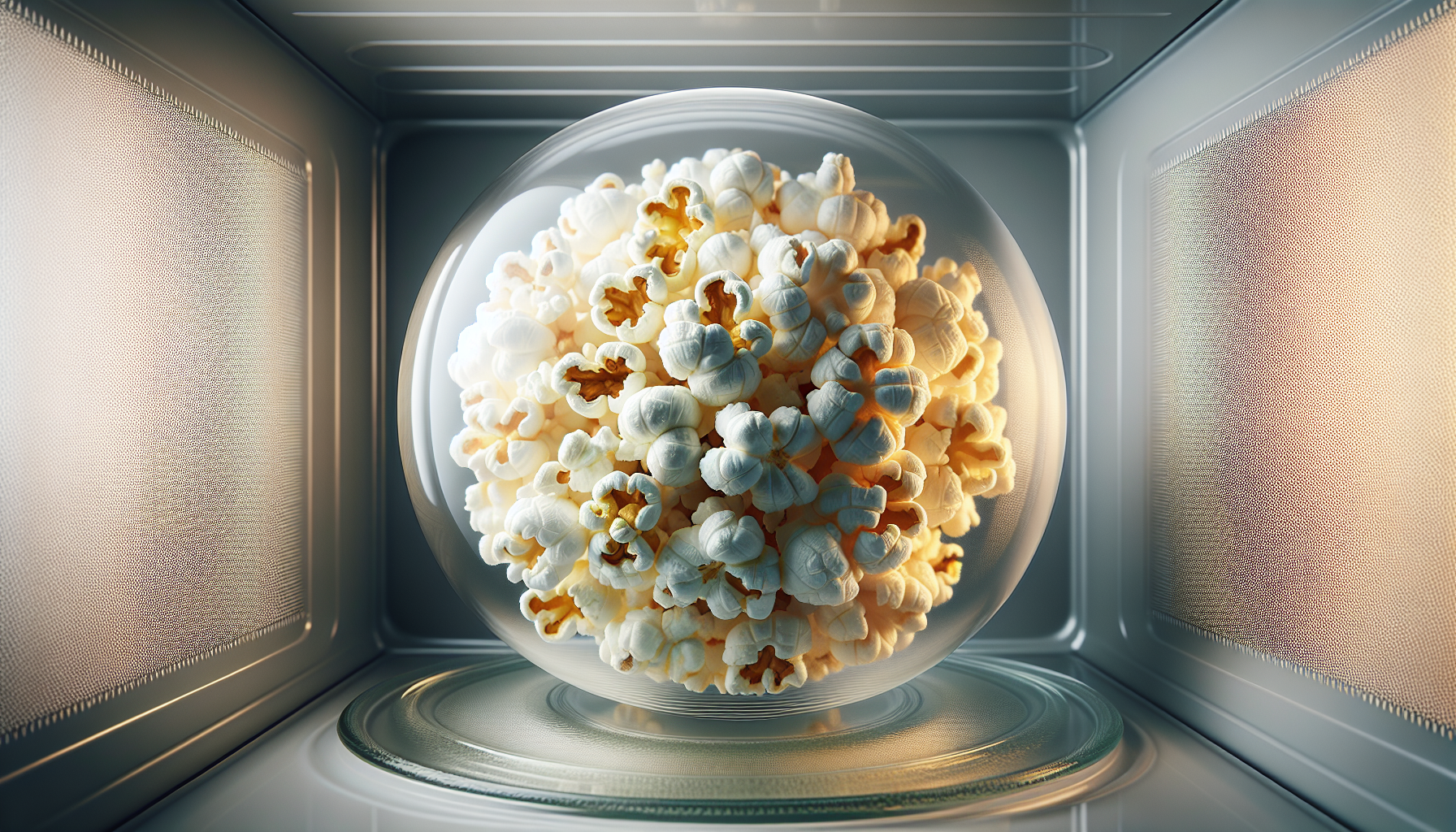
Microwave ovens generate electromagnetic radiation at a specific frequency (typically around 2.45 GHz) to cook food. This radiation is produced by a device known as a magnetron. As microwaves are emitted from the magnetron, they pass into the oven cavity where the food is placed. These microwaves penetrate the food and interact with water and other polar molecules within the items.
Mechanism of Dielectric Heating
The core mechanism at work in a microwave oven is dielectric heating. Water molecules, being polar (having a positive and a negative side), align themselves with the rapidly changing electric field produced by the microwaves. As the field oscillates, the molecules rapidly rotate to align with the new direction of the electric field, creating molecular friction which generates heat. This heat then cooks the food.
Distribution of Heat
Microwave heating can be uneven, primarily because microwaves do not uniformly penetrate all parts of the food. Areas thinner or with more water content heat up faster than denser, drier areas. Additionally, the design of the microwave oven, including the placement of the magnetron and the presence of a turntable, affects how evenly the microwaves are distributed within the oven cavity.
History and Development of Microwave Ovens

Origins of Microwave Technology
The microwave oven was not initially designed for cooking. The technology was discovered by Percy Spencer in 1945 while he was working on radar technology during World War II. Spencer noticed that microwaves from an active radar set melted a candy bar in his pocket, which led to the insight that microwaves could cook food.
Commercialization and Household Adoption
The first commercial microwave oven was introduced in 1947, known as the "Radarange." However, it was large, expensive, and primarily used in commercial settings. Over time, the design and efficiency of microwave ovens improved, making them smaller, more affordable, and suitable for domestic use. By the late 1970s, microwave ovens had become a common appliance in American kitchens.
Safety and Usage Guidelines

Food Safety in Microwave Cooking
While microwave ovens are generally safe, they can sometimes cook food unevenly, leading to cold spots where harmful bacteria can survive. To mitigate this risk, it's essential to stir food midway through cooking and ensure that it reaches a safe internal temperature.
Materials Safe for Microwave Use
Not all materials are safe for microwave use. Metals can spark and cause fires, while some plastics can melt or release harmful chemicals. It is advisable to use containers specifically labeled for microwave use and avoid materials like aluminum foil or non-microwave-safe plastics.
Impact on Nutrition and Food Quality
Nutritional Changes
Cooking in a microwave oven can alter the nutritional profile of some foods, but this is not unique to microwaving. All cooking methods can result in the loss of some nutrients, particularly water-soluble vitamins. However, because microwave cooking often requires shorter cooking times and uses less water, it can actually help preserve nutrients better than some conventional cooking methods.
Effects on Food Texture and Flavor
Microwave cooking might not provide the same texture and flavor enhancements as traditional cooking methods, such as caramelization or browning, which occur at higher temperatures. However, it is highly efficient for simple tasks like reheating food or cooking vegetables quickly.
Debunking Common Microwave Myths
Microwaves Do Not Make Food Radioactive
There is a common misconception that microwaving food can make it radioactive. This is scientifically unfounded. Microwaves use non-ionizing radiation, which does not have the capacity to make food or the oven itself radioactive.
Microwaves Are Not Inherently Dangerous
When used according to the manufacturer's guidelines, microwave ovens are safe and effective. The design of microwave ovens keeps the microwaves contained within the appliance, and federal safety standards regulate their leakage to minimal, harmless levels.
Conclusion
Microwave ovens are a marvel of modern science and technology, providing a convenient and efficient method to heat and cook food. By understanding the principles of how microwaves interact with food molecules, users can optimize their use of this appliance, ensuring food is cooked safely and nutritiously. As with any cooking method, knowing the capabilities and limitations of microwave ovens can lead to better outcomes and healthier eating habits.