How Do Spiders Craft Their Intricate Webs?
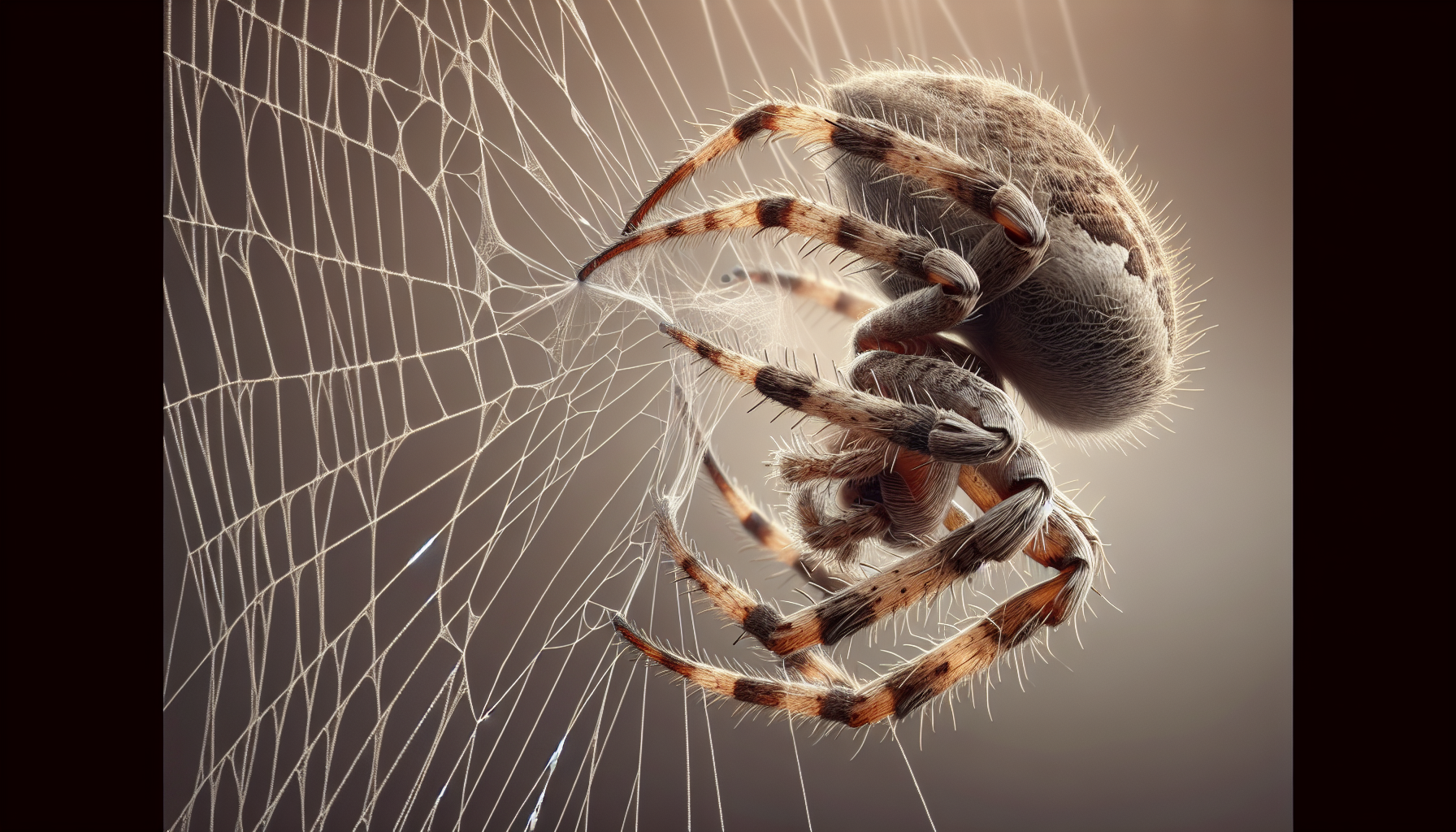
Spiders, the skilled architects of the natural world, employ a unique combination of biological and physical processes to spin their intricate webs. These structures are not only masterpieces of natural design but also essential tools for survival, serving purposes from capturing prey to providing shelter and mating grounds.
TL;DR
- Silk Production: Spiders produce silk from specialized glands located in their abdomen.
- Web Types: There are several types of spider webs, including orb webs, funnel webs, and cobwebs, each serving different purposes.
- Silk Properties: Spider silk is renowned for its strength and elasticity, which vary among different types of silk produced by the same spider.
- Spinning Process: Spiders use their legs and body movements to draw silk threads and form intricate patterns.
- Environmental Influence: Factors such as humidity, temperature, and space availability can influence web structure and placement.
- Survival Mechanisms: Beyond capturing prey, webs also play roles in mating, molting, and protection from predators.
The Science of Web Spinning
The Biological Toolkit
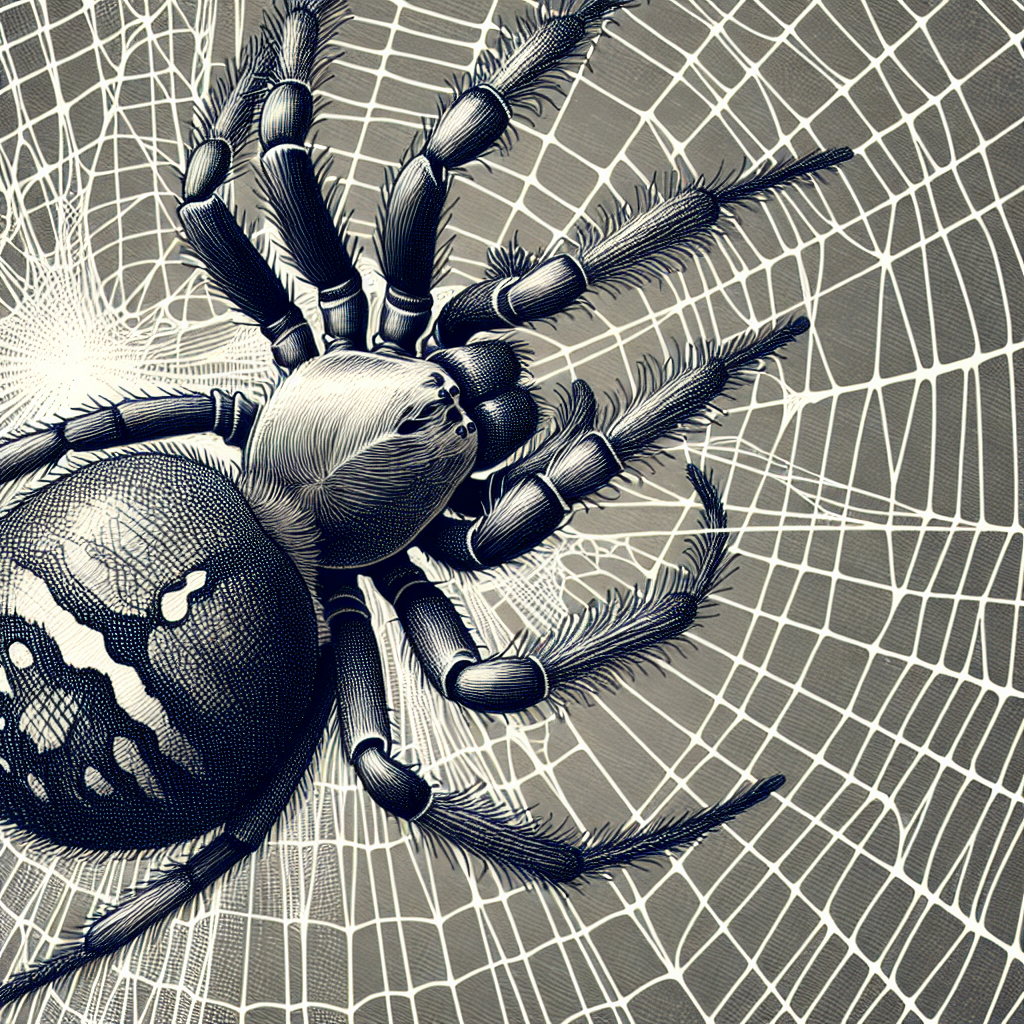
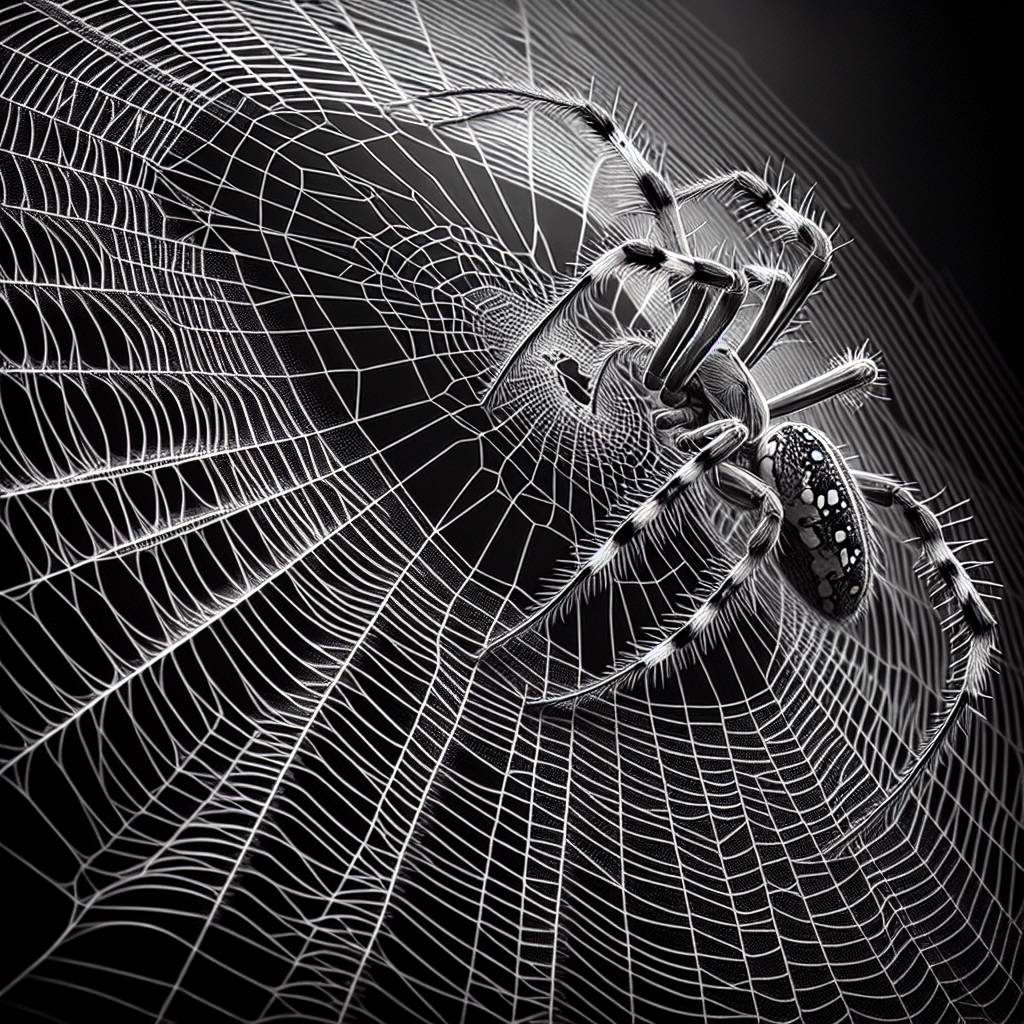
Spiders are equipped with silk-producing glands called spinnerets, located at the rear of their abdomen. These glands secrete a protein-rich liquid silk, which solidifies into a thread when it comes into contact with air. The exact number of spinnerets and their configuration can vary significantly between different spider species, influencing the type of web they can construct.
The Mechanical Process
The spinning of a web is a complex process that involves not just the secretion of silk but also precise movements by the spider. They start by releasing a silk thread to form a bridge line, leveraging wind or their own movement to anchor this thread across a space. Following this, they strengthen this bridge with additional silk and create a frame and radii—central lines that extend outward like spokes on a wheel.
The spider then constructs a spiral sticky silk over this frame, which serves to capture prey. The non-sticky spirals, which the spider walks on, are laid down first, followed by sticky spirals. The precision with which spiders calculate distances between the spirals is crucial for the effectiveness of the web in trapping prey.
Silk Properties and Variations
Spider silk is extraordinary for its strength and flexibility. It can stretch up to five times its original length without breaking. Each type of silk—be it sticky capture silk, robust dragline silk, or fine silk for wrapping prey—has different properties tailored to its specific function. The diversity in silk properties is a result of variations in the molecular structure of the proteins involved.
Historical Insights into Web Spinning
Evolutionary Development
The ability to spin silk dates back at least 300 million years, with evidence suggesting that the earliest spider ancestors might have used silk merely for protection and reproduction. Over time, different species of spiders have evolved to use silk for a variety of purposes, most notably the intricate capture webs seen in species like the orb-weaver.
Archaeological Findings
While spider silk itself degrades over time and is rarely found in archaeological contexts, impressions of webs have occasionally been discovered on fossilized leaves and in amber. Such findings provide valuable insights into the early uses of silk and the evolutionary history of spiders.
The Role of Environmental Factors
Influence on Web Design
Environmental conditions play a significant role in the design and placement of spider webs. Factors such as wind, humidity, and temperature can affect the silk’s properties and the spider’s ability to spin it effectively. Spiders may alter the size, shape, or orientation of their webs to maximize their functional efficiency in given environmental conditions.
Site Selection
Spiders choose web sites that maximize prey capture while minimizing exposure to predators and environmental hazards. This decision-making process is influenced by a spider's perceptual abilities and previous experiences, showcasing a remarkable level of adaptability and learning in these creatures.
Misconceptions and Clarifications
Not All Spiders Spin Webs
It's a common misconception that all spiders spin webs. In fact, many species, such as wolf spiders and jumping spiders, do not construct webs at all. These spiders are active hunters that rely on their agility and vision to capture prey.
Web Recycling
Another interesting aspect of spider behavior is web recycling. Some spiders, particularly orb-weavers, consume their web daily to recapture some of the silk proteins, which are then recycled to build a new web. This efficient use of resources highlights the spider’s survival strategies in nutrient-scarce environments.
Conclusion
The ability of spiders to spin webs is a fascinating example of nature’s ingenuity. Through a combination of evolutionary biology, environmental adaptation, and intricate behavior, spiders can create structures that are as deadly for their prey as they are beautiful to the human eye. Understanding the complexity and diversity of web-spinning not only highlights the sophistication of these creatures but also enhances our appreciation of the delicate balances in nature.