Why Synesthesia Makes Words Taste Like Flavors
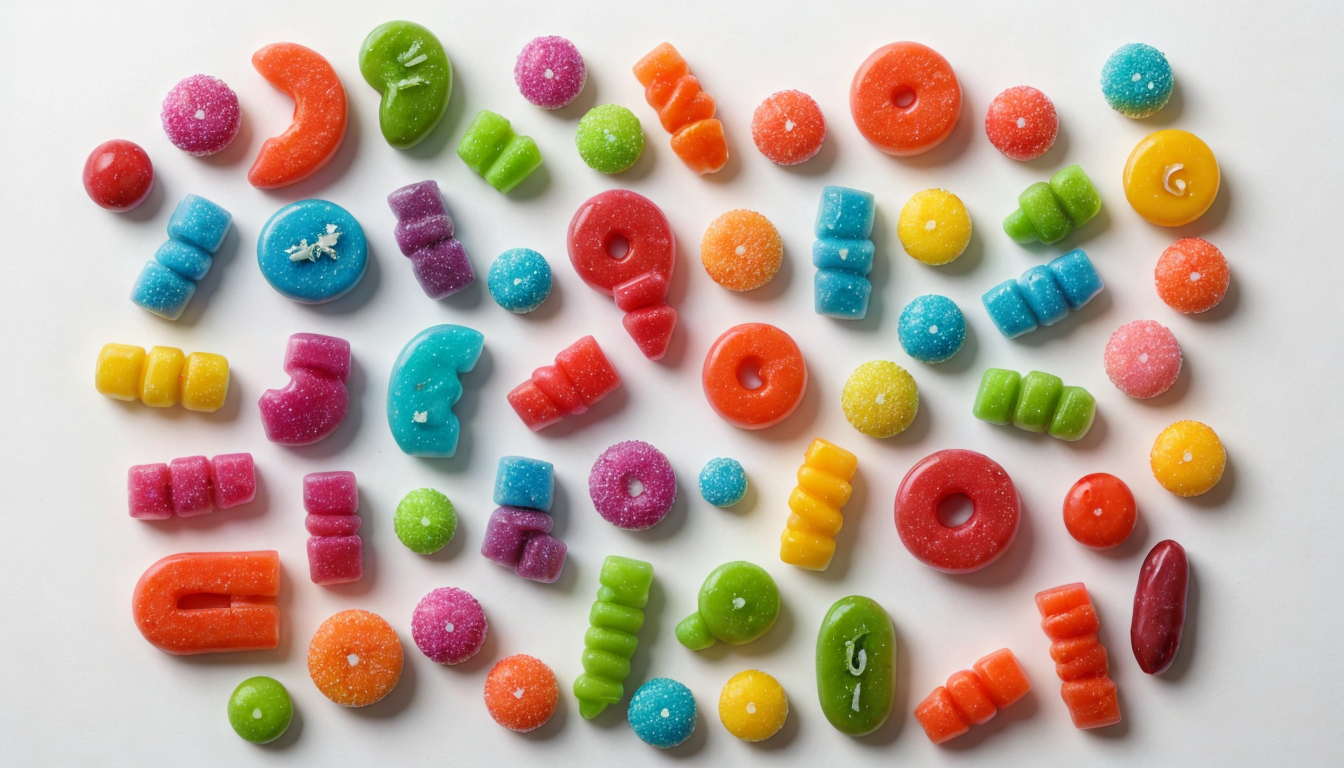
Synesthesia is a unique neurological condition where one sensory experience involuntarily triggers another. One of the more intriguing forms of synesthesia involves tasting words as flavors—a phenomenon that has fascinated scientists and laypeople alike for decades. This article delves into why certain individuals can taste words, exploring the complex brain wiring behind this fascinating condition.
TL;DR

- Synesthetes experience tastes through language, associating specific flavors with letters or words.
- The neural pathways in synesthetic brains show increased connectivity between regions responsible for language and taste perception.
- This phenomenon is a result of neuroplasticity and the brain's ability to form unusual connections during development.
- Research into synesthesia can provide insights into how the human brain processes sensory information and integrates different modalities.
What Is Synesthesia?

Synesthesia is a neurological condition in which stimulation of one sensory or cognitive pathway leads to automatic, involuntary experiences in another sensory or cognitive domain. People with synesthesia may experience colors when they hear sounds, see shapes for numbers, or taste flavors when reading words. The most common form involving flavor perception is known as lexical-gustatory synesthesia.
Types of Synesthesia
Synesthesia can occur between any combination of senses and can be broadly categorized into two main types: projective (seeing colors in response to sounds) and associative (feeling a connection but not visualizing the color). Lexical-gustatory synesthetes typically experience an associative form, where they perceive flavors when reading or hearing words.
The Neuroscience of Tasting Words
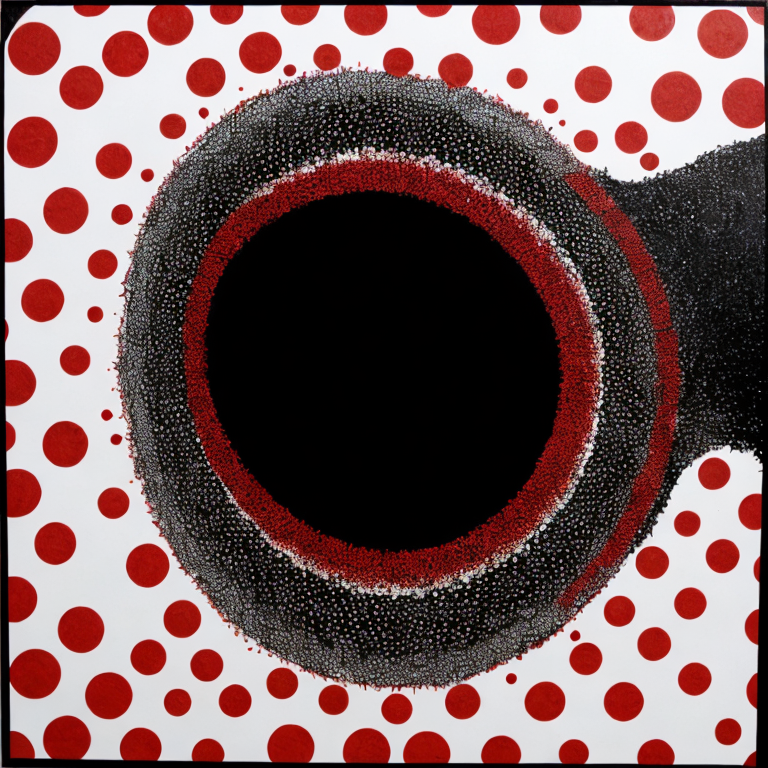
The ability to taste words as flavors is rooted in the intricate wiring of the brain. Research has shown that individuals with lexical-gustatory synesthesia have enhanced connectivity between areas responsible for language comprehension and those involved in taste perception.
Brain Mapping Studies
Functional magnetic resonance imaging (fMRI) studies reveal that when synesthetes read or hear words, their brains activate regions associated not only with language processing but also with gustatory sensations. This cross-activation suggests that the brain's neural pathways are rewired to create a direct link between linguistic stimuli and taste experiences.
Neuroplasticity
Neuroplasticity—the brain’s ability to change and adapt throughout life—is crucial in understanding how synesthesia develops. Synesthetic connections form during early childhood when sensory systems are still developing, leading to unique mappings that persist into adulthood.
History and Etymology of Synesthesia

The term "synesthesia" comes from the Greek words syn (together) and aisthesis (sensation). The concept dates back to ancient Greece but gained significant attention in the 19th century with the work of scientists like Sir Francis Galton. However, it wasn't until the late 20th century that synesthesia was studied rigorously using modern neuroimaging techniques.
Cultural Significance
Throughout history, artists and writers have been fascinated by synesthetic experiences. Synesthetes often report enhanced creativity due to their unique sensory perceptions. For example, Vladimir Nabokov described his vivid color associations with letters and numbers in his autobiography "Speak, Memory."
Misconceptions About Synesthesia
Despite growing interest, many misconceptions persist about synesthesia. It is important to distinguish between actual synesthetic experiences and metaphorical expressions of language.
Metaphorical Use
Terms like "sweet words" or "bitter truths" are common in everyday speech but do not indicate true synesthesia. These phrases reflect figurative language rather than sensory cross-activation in the brain.
Conclusion
The phenomenon of tasting words as flavors is a remarkable example of how the human brain can form unusual connections, leading to unique and sometimes poetic experiences. While more research is needed to fully understand the mechanisms behind lexical-gustatory synesthesia, current findings highlight the brain's incredible capacity for plasticity and sensory integration. As scientists continue to explore this fascinating condition, we may gain deeper insights into the complex workings of our minds.