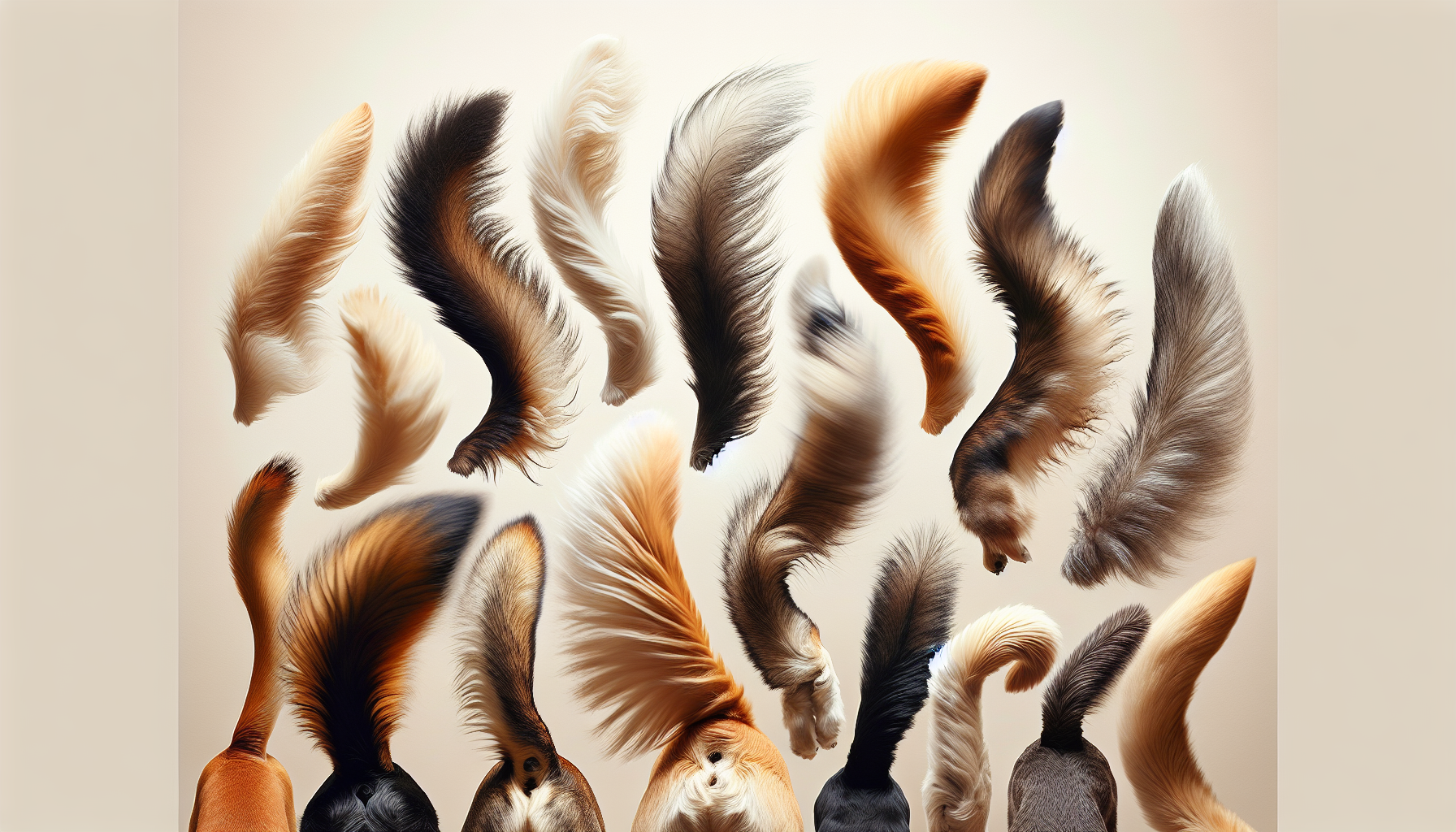
Understanding Why Dogs Wag Their Tails: Insights and Explanations
Dogs often wag their tails as a form of communication, expressing emotions ranging from happiness to anxiety. This common canine behavior, while seemingly simple, is a complex form of non-verbal interaction that plays a crucial role in how dogs interact with their environment and the beings within it.
TL;DR
- Communication Tool: Tail wagging is primarily a way for dogs to communicate with other dogs, animals, and humans.
- Emotional Expression: Dogs wag their tails to express various emotions such as excitement, happiness, and sometimes even anxiety.
- Direction Matters: The direction and speed of the wag can indicate different emotions or messages.
- Social Signaling: Tail wagging can signal a dog's social intentions or reactions to environmental stimuli.
- Tail Position is Key: The position of the tail, along with the wagging, provides context to the emotional state or intent of the dog.
- Health Indicator: Changes in tail wagging patterns can sometimes indicate health issues.
The Science Behind Tail Wagging

Physiology of Tail Movement
A dog's tail is an extension of its spine, with muscles and nerves that control its movement. Wagging involves coordinated movements powered by muscular contractions, which are often reflexive responses to brain signals that process emotional stimuli. The neural pathways from the brain to the tail involve parts of the nervous system that handle voluntary and involuntary actions, explaining why some tail wagging appears automatic and uncontrollable.
Emotional and Cognitive Associations
Research has shown that different emotions are associated with specific patterns of tail wagging. For example, a study published in the journal "Current Biology" suggests that dogs wag their tails more to the right when they are happy or relaxed and more to the left when they are frightened or anxious. This asymmetry is linked to the brain's left and right hemispheres, which process different types of emotions and stimuli.
The History and Evolution of Tail Wagging
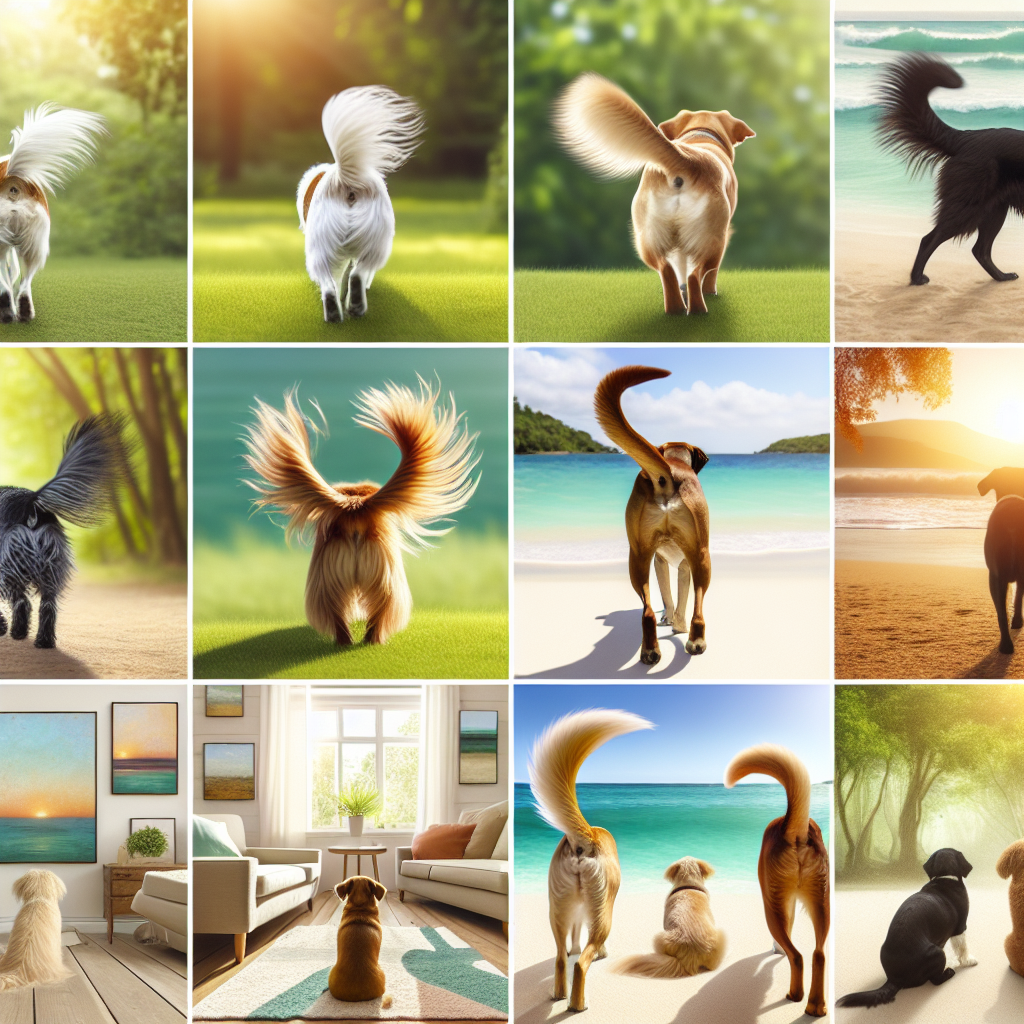
Evolutionary Perspective
From an evolutionary standpoint, tail wagging likely developed as a social signal among pack animals like wolves, the ancestors of domestic dogs. Tail wagging in these contexts may have served to signal different intentions, such as submission or alertness, facilitating smoother interactions within social groups.
Domestication and Human Interaction
As dogs were domesticated, their communication methods, including tail wagging, may have evolved to be more attuned to human interaction. Dogs that could better communicate with humans were likely more successful in early domestic environments, leading to a natural selection for expressive tail wagging.
Cultural Interpretations of Tail Wagging

Different cultures have long observed and interpreted dog behavior, including tail wagging, in various ways. In many Western cultures, a wagging tail is commonly associated with a happy and friendly dog. However, understanding that this is not always the case is crucial for proper interaction with dogs, especially unfamiliar ones.
Common Misconceptions About Tail Wagging
Misconception: All Tail Wagging is Happy
One of the most common misconceptions is that tail wagging always signifies happiness. While a relaxed, wide wag often does indicate joy, rapid, stiff wagging can indicate excitement or even potential aggression. Observing the full context of the dog’s body language is necessary to accurately interpret what the tail wag is signaling.
Misconception: Tail Wagging is Only Directed at Humans
While dogs certainly wag their tails to communicate with humans, they also use this behavior to communicate with other dogs and animals. Tail wagging can occur when a dog is alone too, often in response to auditory stimuli or internal emotions.
Conclusion
Understanding why dogs wag their tails enhances our ability to interact with them safely and meaningfully. Recognizing the nuances in tail wagging helps in interpreting a dog’s emotional state and intentions, fostering a deeper bond between dogs and their owners. By paying attention to the direction, speed, and context of a dog’s tail wagging, we can gain insights into their feelings and needs, making our interactions with them more empathetic and informed. Thus, tail wagging is not just a trivial aspect of dog behavior but a significant element of their communication and emotional expression.