Exploring the Placebo Effect: What Is It Really?
The placebo effect is a fascinating phenomenon in which a person's symptoms can improve after receiving a treatment that has no therapeutic effect. This effect highlights the complex interplay between the brain and the body and raises important questions about the role of perception in health.
TL;DR
- Definition: The placebo effect occurs when individuals experience real changes in their health after receiving a treatment with no therapeutic value, due to their belief in the treatment's efficacy.
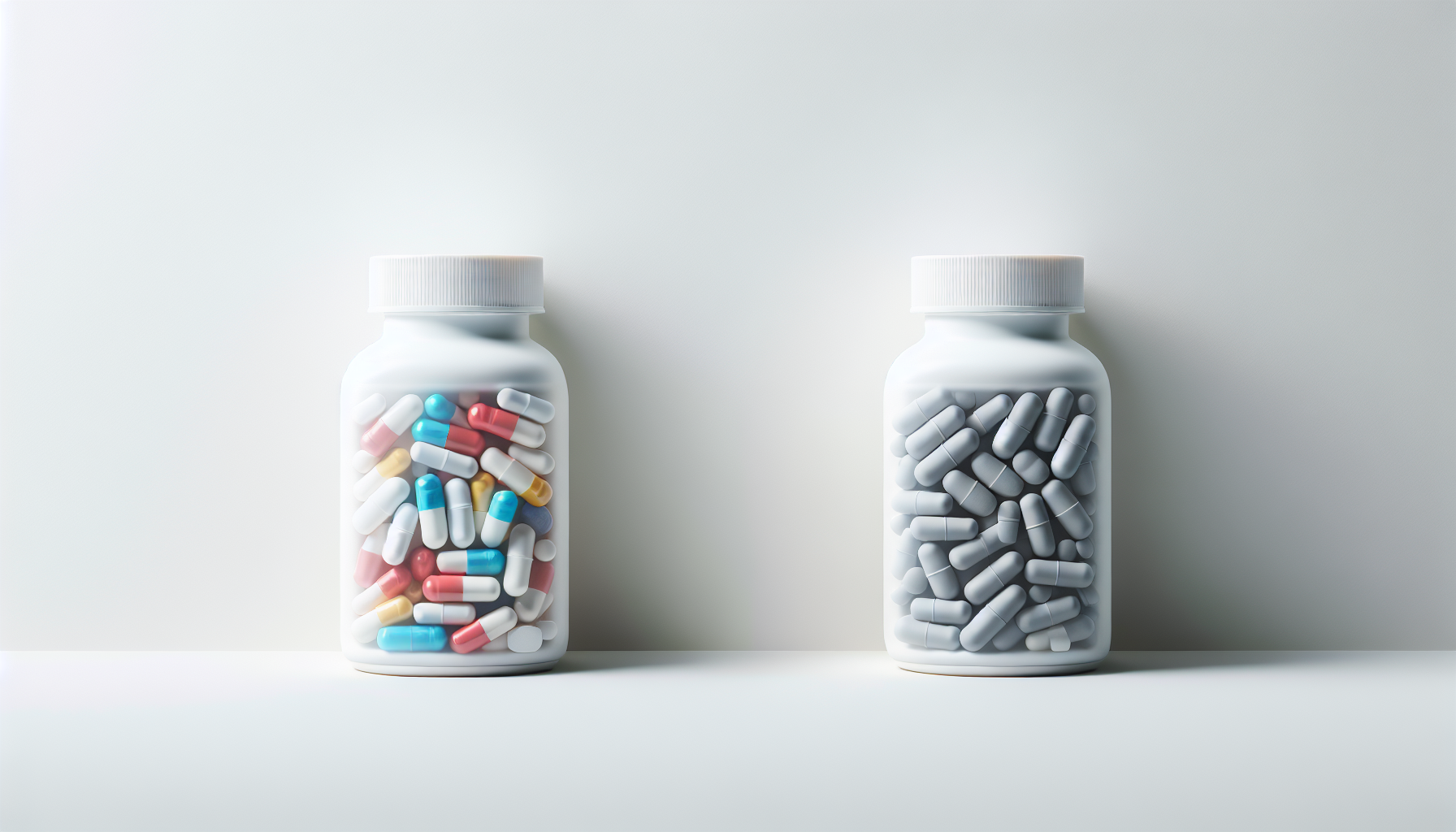
- Clinical Trials: Placebos are often used in clinical trials to test the efficacy of new medical treatments against an inert substance.
- Mechanisms: Research suggests that psychological and neurobiological factors contribute to the placebo effect.
- Ethical Considerations: The use of placebos in clinical trials is subject to ethical scrutiny, particularly regarding the transparency and consent involved.
- Impact on Treatment Outcomes: The placebo effect can significantly impact health outcomes, illustrating the power of expectation and belief in medical contexts.
- Cultural Influence: Cultural perceptions and historical understanding of placebos influence how they are used and perceived in medical and public domains.
Understanding the Science Behind the Placebo Effect
Psychological and Neurobiological Mechanisms
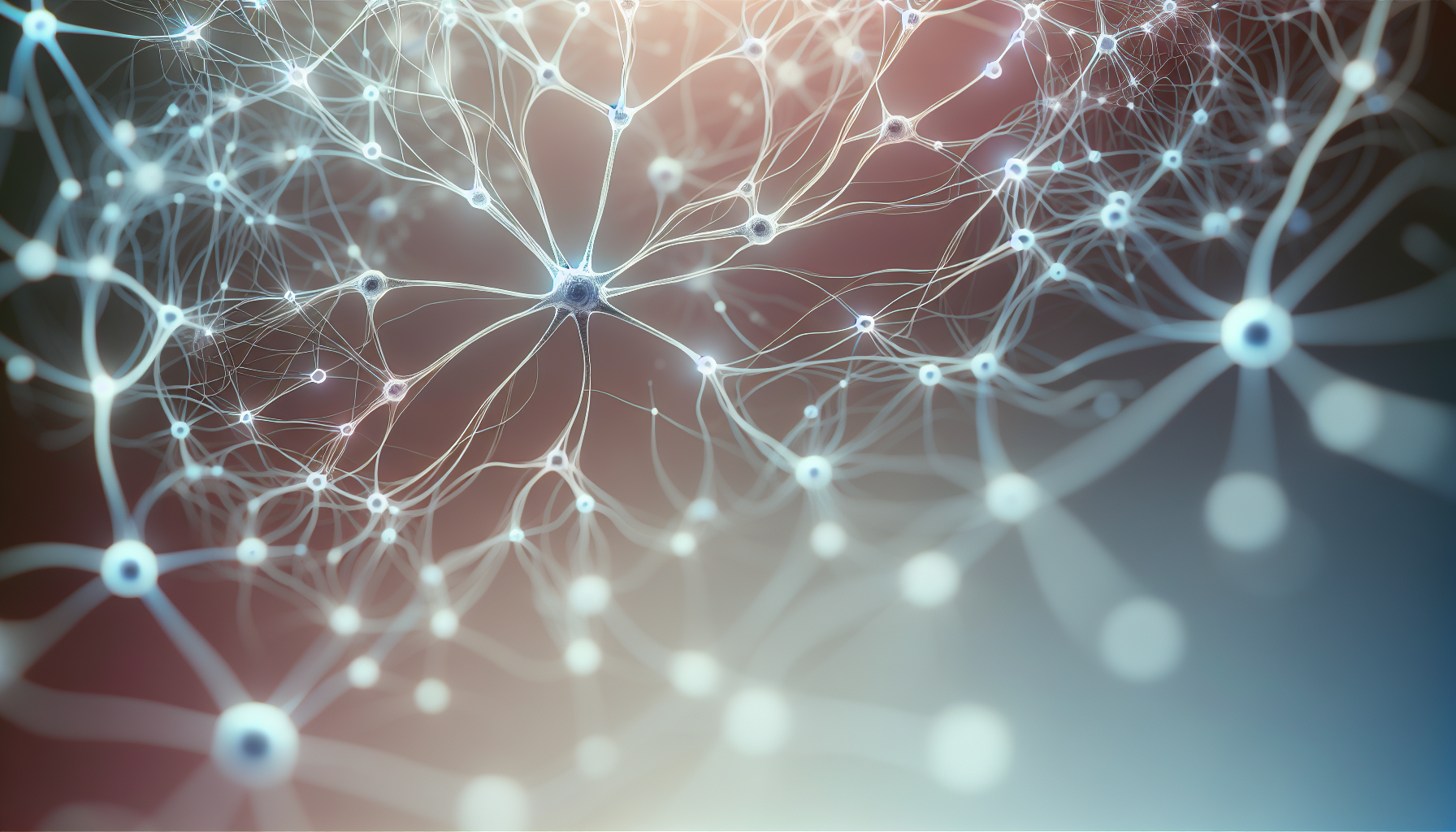
The placebo effect is primarily rooted in the patient's expectations and beliefs. When a person anticipates a positive outcome from a treatment, this expectation can trigger a series of psychological and physiological responses. Neurobiologically, the expectation of relief or benefit can activate brain regions associated with mood and pain regulation, such as the prefrontal cortex and the anterior insula. These areas can release neurotransmitters like endorphins and dopamine, which are natural pain-relievers and mood enhancers.
Research and Evidence
Numerous studies have demonstrated the placebo effect in various contexts, from pain management to depression. For instance, placebo analgesia is a well-documented phenomenon where patients report pain relief after receiving a sugar pill they believe to be a potent analgesic. Functional MRI scans have shown that such placebo-induced pain relief is accompanied by increased activity in brain regions involved in pain perception.
The History of Placebo Use

Early Instances and Evolution
The term "placebo," originating from the Latin word meaning "I shall please," was first used in a medical context in the 18th century. Initially, it referred to medicines given more to please patients than to benefit them medically. Over time, as the scientific method developed, the role of placebos became more structured, particularly in clinical trials to provide a baseline to measure the effects of new drugs.
Placebos in Modern Clinical Trials
Today, placebos are an integral part of the methodology of clinical trials, serving as a control measure to test the effectiveness of new treatments. Their use helps researchers distinguish between the actual effects of the drug and the psychological effects of just taking a pill.
Etymology and Linguistic Context
Origin and Usage
The word "placebo" has its roots in the Latin phrase "placebo domino in regione vivorum," which means "I shall please the Lord in the land of the living." Historically, this phrase was associated with practices of appeasement in religious contexts but was later adopted in medical parlance to describe inert treatments used in health care.
Cultural and Social Implications
Perception Across Different Cultures
The placebo effect is perceived differently across cultures, influenced by traditional beliefs about medicine and healing. In some cultures, the acceptance and effectiveness of placebo treatments can be higher due to a strong belief in spiritual or communal healing practices.
Influence on Modern Medicine
In contemporary medicine, understanding and harnessing the placebo effect can lead to more effective patient care strategies. Educating patients about how their expectations of a treatment can influence their health outcomes is becoming an important part of therapeutic practices.
Common Misconceptions
"It's All in Your Head"
While the placebo effect does involve psychological factors, it is not merely a psychological phenomenon. The observable physiological changes in the body triggered by placebo treatments attest to its real, tangible effects.
Equating Placebos with Deception
Using placebos does not always involve deception. In many clinical trials, participants are informed that they may receive a placebo instead of the active treatment, which does not necessarily diminish the placebo effect, a phenomenon known as "open-label placebo."
Conclusion
The placebo effect underscores the significant role of the mind in physical health and the therapeutic process. It challenges traditional notions of medicine by showing that the context and perception of treatment can be as influential as the treatment itself. As research continues to unravel the complex mechanisms behind the placebo effect, it will likely lead to more refined and ethically sound approaches to its application in both clinical and therapeutic environments. Understanding and leveraging this effect can potentially enhance the efficacy of treatments and the overall patient care experience.