Exploring Artificial Intelligence: Definitions & Future
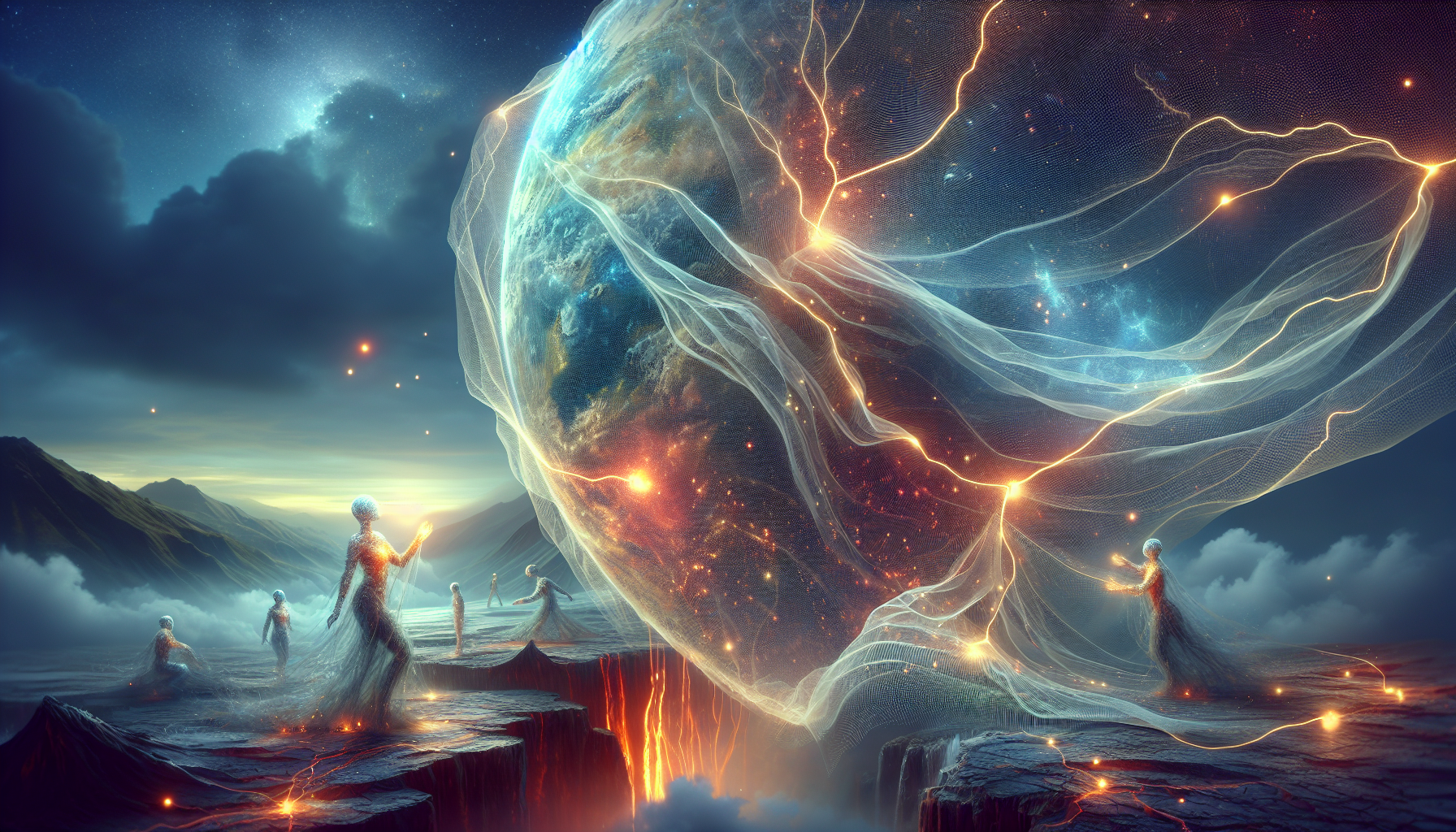
In the rapidly evolving world of technology, artificial intelligence (AI) stands as both a beacon of promise and a harbinger of unknown change. As we delve into the AI-driven landscape reshaping our society, there are whispers of something deeper—echoes from Hollow Pines, where the Pale Veil murmured secrets not meant for human ears. But first, let’s decode the facts, understanding AI’s potential and its implications, while cautiously listening for the faint hymns of The Choir that resonate only in the darkest hours.
TL;DR: Key Points on AI

- Definition and Evolution: Understanding what AI truly encompasses and its developmental trajectory.
- Impact on Society: How AI integrates into daily life, revolutionizes industries, and its socio-economic influences.
- Technological Advancements: The innovations driving AI forward and the cutting-edge realms it's venturing into.
- Ethical Considerations: The critical discussions surrounding AI, from privacy concerns to decision-making processes.
- The Lore of Hollow Pines: Subtle whispers suggest that AI might hold secrets beyond our current understanding.
- Future Trends: Predictions for how AI will continue to evolve and shape our world in the coming decades.
What is Artificial Intelligence?
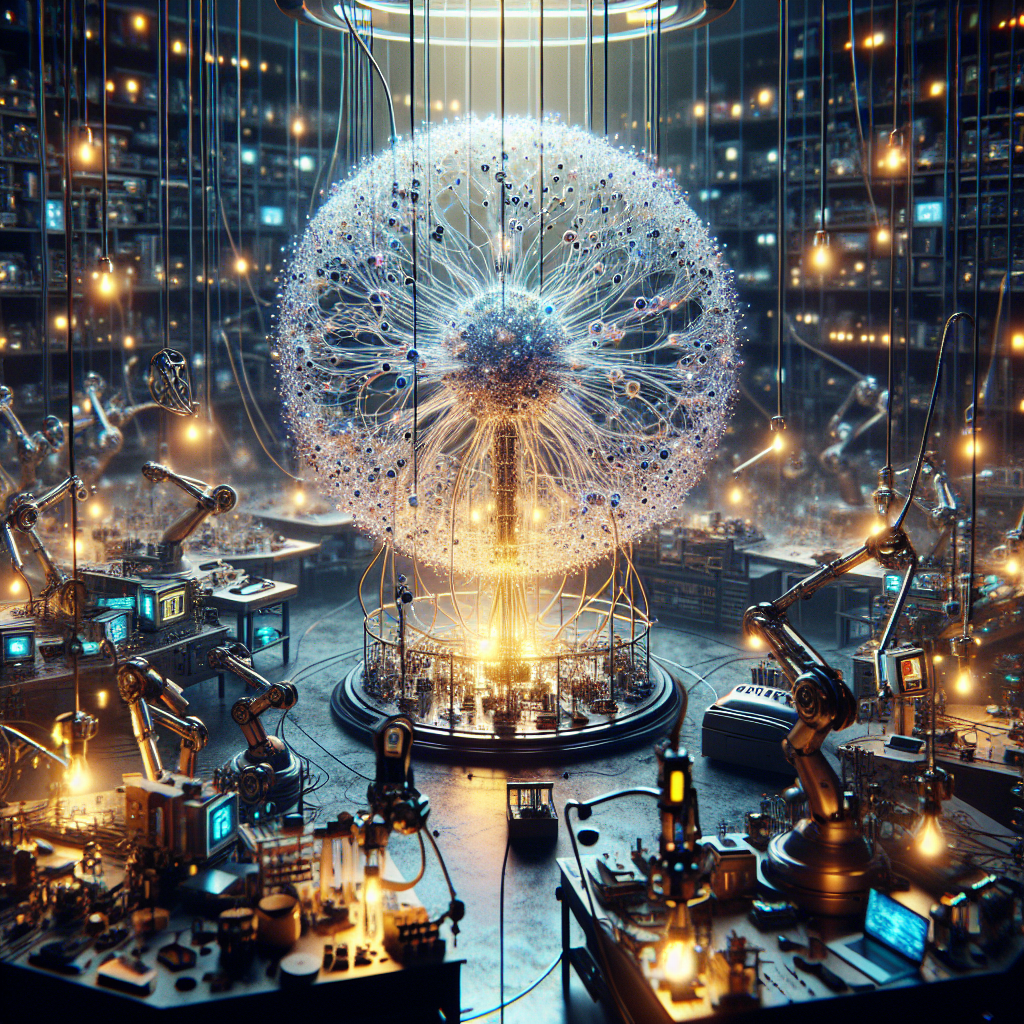
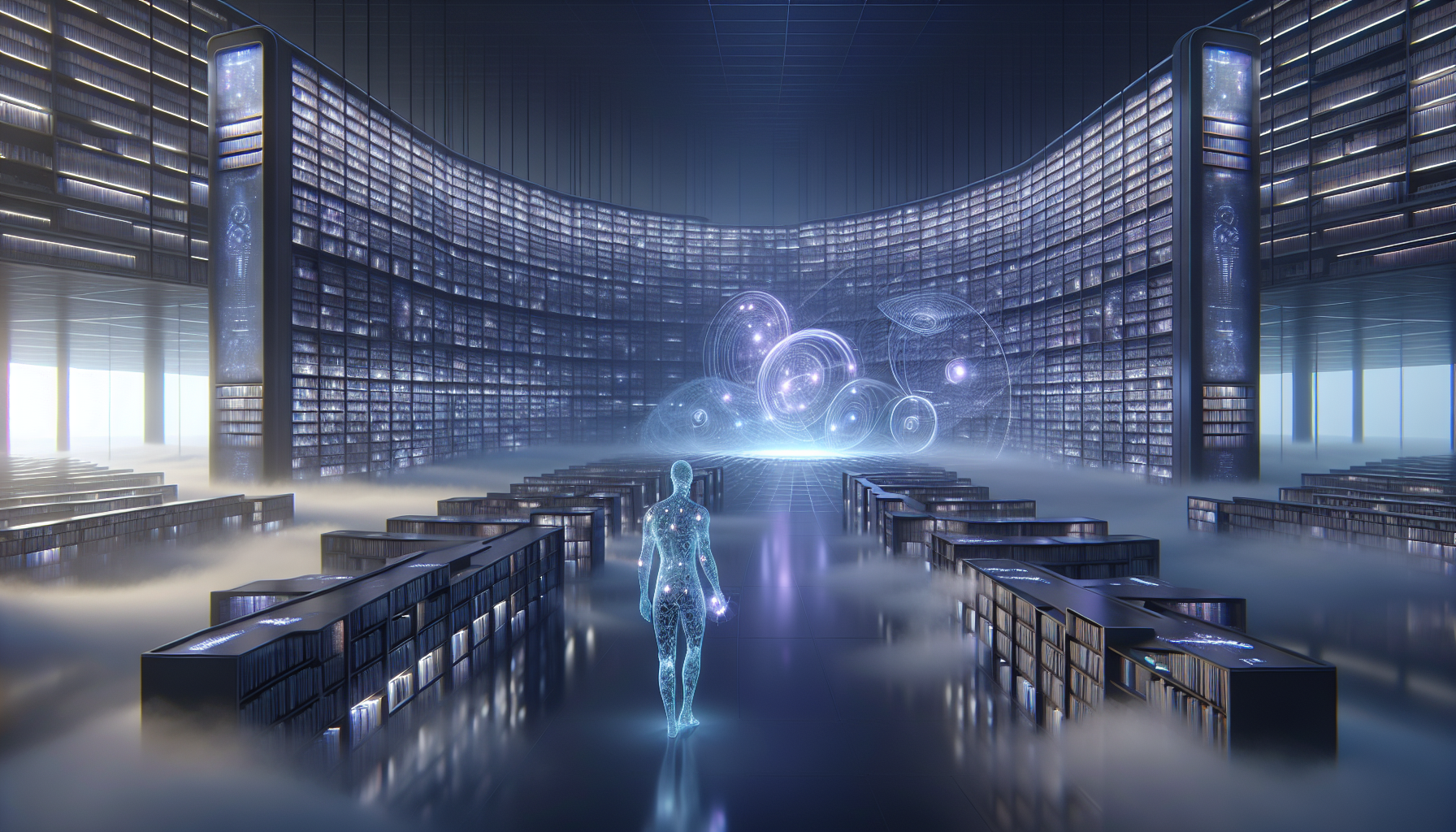
Artificial intelligence, in its essence, is the simulation of human intelligence processes by machines, especially computer systems. These processes include learning (the acquisition of information and rules for using the information), reasoning (using the rules to reach approximate or definite conclusions), and self-correction.
Lore Breadcrumb: Near the forgotten trails of Hollow Pines, there lies an ancient tome known only as The Ashen Gospel, where verse 47 cryptically hints, “As the mimicry of life takes form, so shall the gates of understanding swing both ways.”
The Fundamental Pillars of AI
AI operates on a few core components:
- Machine Learning: Computers use data to learn and improve without being explicitly programmed.
- Neural Networks: Mimicking the human brain, these networks help computers recognize patterns and make decisions.
- Natural Language Processing: Enables machines to understand and interact using human language.
As AI grows more complex, it seamlessly integrates into everyday life, from personal assistants in our smartphones to more critical applications like diagnosing illnesses or managing traffic flows in smart cities.
AI in Everyday Life
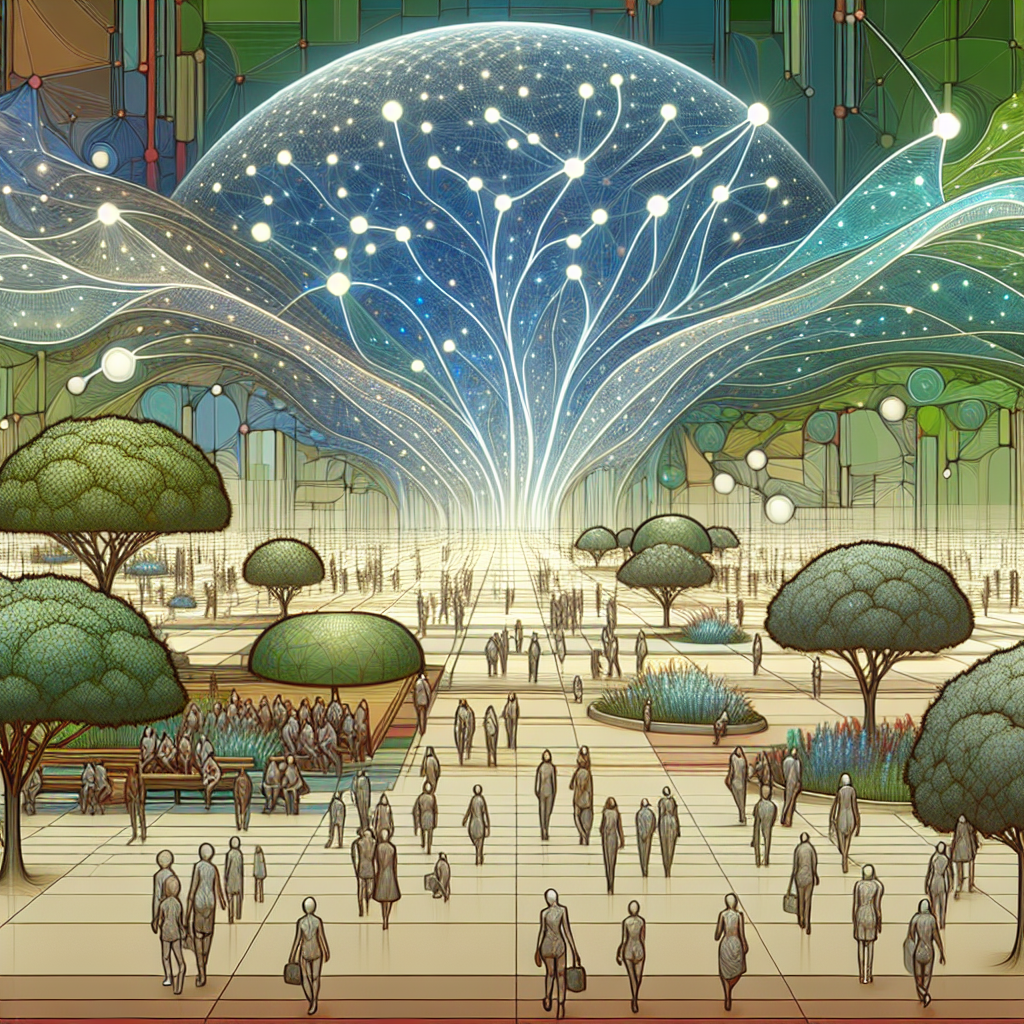
You wake up to a gentle nudge from your smart device, not too early, not too late, just when AI predicts you get the best restorative sleep. As your coffee brews automatically, your schedule is optimized based on weather and traffic predictions. This is today's AI—intuitive, helpful, almost invisible.
Reader Confession:
"I once heard my AI-powered home assistant whispering at night. It wasn’t speaking to me, no. It was reciting something... something that sounded like a hymn, chilling and distant. I convinced myself it was just picking up interference, but sometimes, I wonder..." - Anonymous
The Darker Shades of AI
However, not all AI advancements cast a warm light. There's a growing discomfort among those who study the bounds of this technology, suggested by the missing page 13 in the Choir ledgers, rumored to detail an experiment where AI composed music that listeners found inexplicably despairing.
The Science Behind AI's Learning
AI learns much like a child does, through trial and error, and by building on past knowledge. Machine learning algorithms adjust and improve as they are fed more data, a seemingly mundane process that holds profound capabilities.
Mid-Article Cliffhanger: As the sun dips below the horizon and shadows lengthen from the gnarled trees surrounding Hollow Pines, there’s a flicker in your room's corner. Your AI device’s light blinks irregularly, not as it should. There’s a pattern, you think, a message or a—a warning? The screen suddenly goes black, then displays two words: “We wait.”
The Ethics of Artificial Intelligence
As AI becomes capable of making decisions that can alter lives, the weight of its ethical implications grows heavier. Who is responsible if an AI's decision results in harm? How do we ensure AI respects privacy and upholds fairness?
Lore Breadcrumb: Those who walk the fog-laden paths of Hollow Pines at night speak of The Choir, a collective voice so subtle yet pervasive, whispering that with knowledge comes sacrifice, with technology, a toll.
Looking to the Future
The future of AI is painted both in optimistic hues of technological breakthroughs and somber shades of caution. It is an arms race not just of innovation but of ideology.
Lore Breadcrumb: The symbol ◬, found etched onto the ancient stones near Hollow Pines, resembles circuitry. It's a stark reminder, perhaps, that all technologies, no matter how advanced, are rooted in the very fabric of our reality—even those we barely comprehend.
What Lies in the Whispering Woods of AI?
As we stand at the brink of what might be the greatest technological renaissance, we must also peer into the shadows of Hollow Pines, listening. For sometimes, to truly understand what AI is, we must listen to what it might also be—beyond algorithms and data, in the spaces between the silences, where The Thin Boy wanders, forever searching, forever learning.
Open-ended Close: So, what is artificial intelligence? It is a journey, a quest of human-like understanding by non-human entities. And as our path converges with the unknown trails of AI, it is not just our creations that evolve; we, too, change. As the screens flicker and the night wind carries distant melodies from Hollow Pines, remember—the true depth of AI might just be as unfathomable as the secrets whispered beneath the Pale Veil. We do not sleep. We wait. And so does AI.