Understanding Tea Processing: From Leaf to Cup
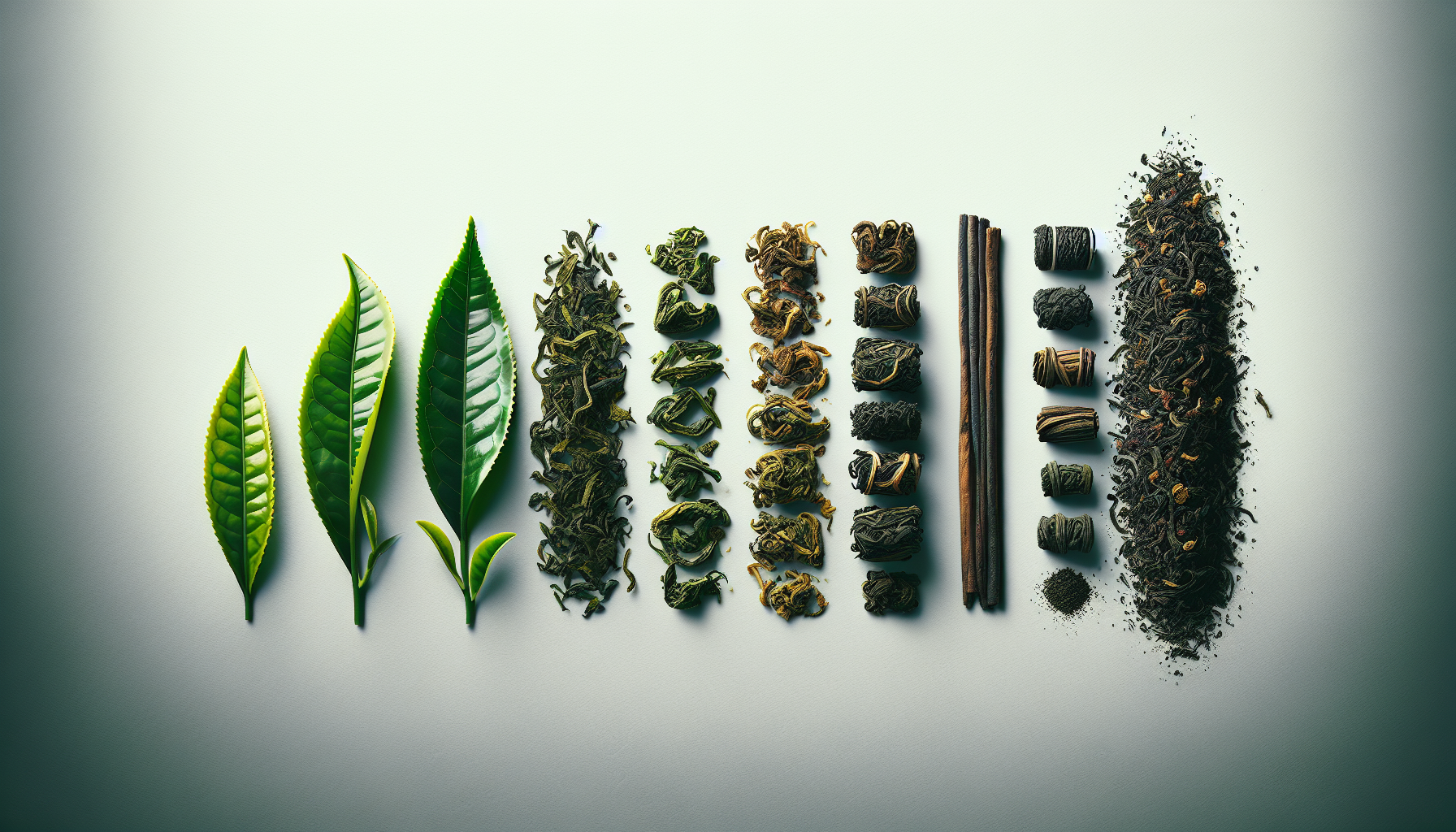
Tea, a beverage cherished worldwide, undergoes a fascinating journey from the fresh leaves plucked from the Camellia sinensis plant to the complex brews enjoyed by millions. This article explores the detailed process of tea making, which involves various stages such as withering, rolling, fermenting, drying, and sometimes additional flavoring. Each step is crucial in shaping the tea's character, flavor, and aroma.
TL;DR
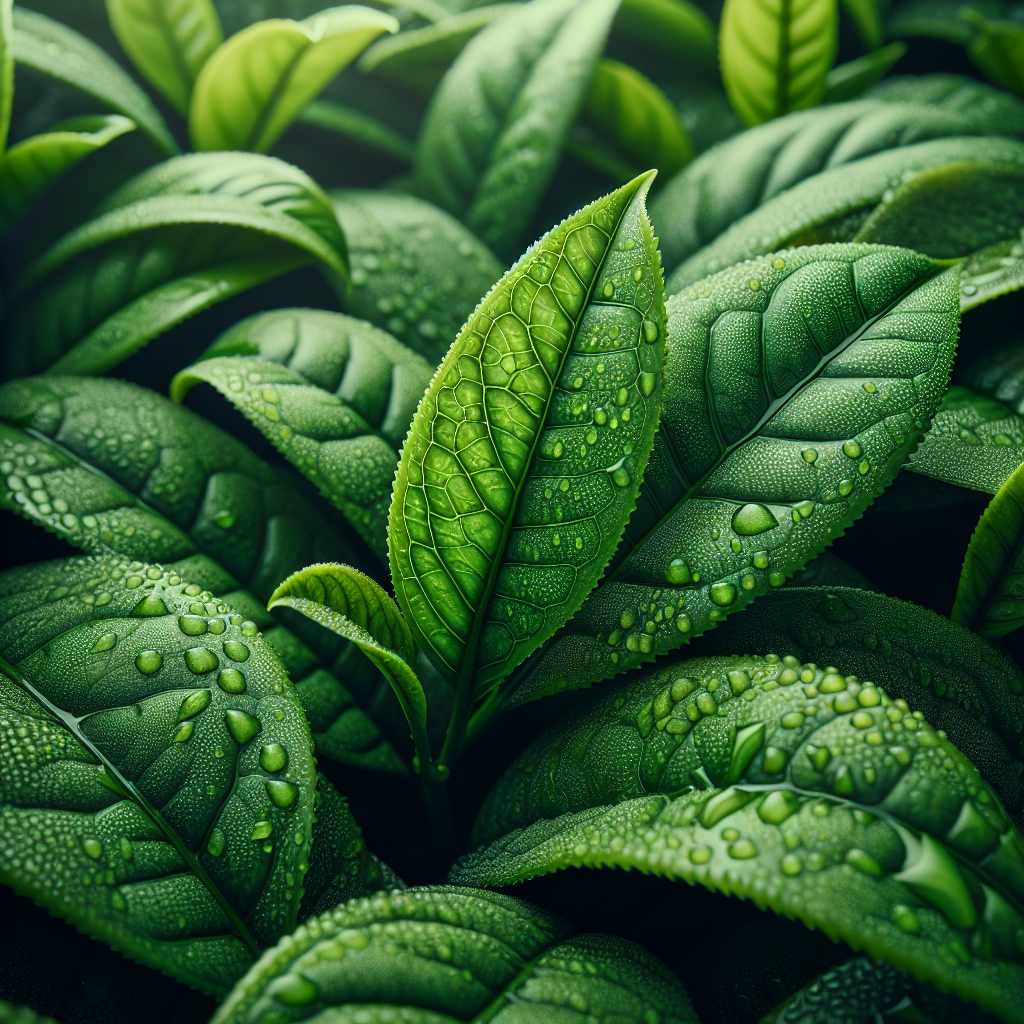
- Tea processing involves several stages: withering, rolling, fermenting, drying, and grading.
- Different processing methods lead to various tea types such as black, green, oolong, and white.
- Geographical and climatic conditions influence the characteristics of the tea.
- Technological advancements have streamlined many aspects of tea processing, improving consistency and quality.
- Organic processing methods are becoming more popular due to health and environmental concerns.
- The final flavor of tea can vary greatly depending on the specific processes used.
The Stages of Tea Production
Withering
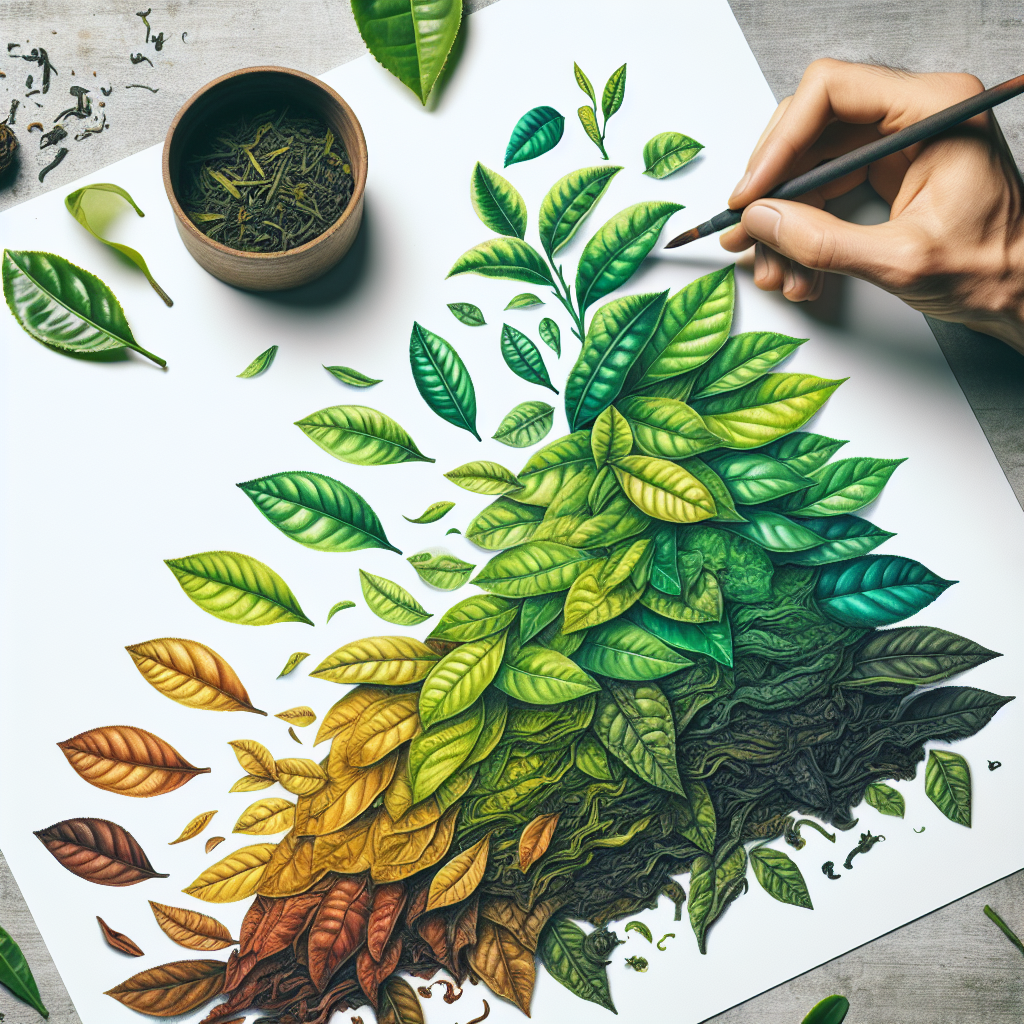
The first step in processing tea is withering, which involves spreading the freshly plucked leaves out on trays or troughs to reduce their moisture content. Air is either naturally or mechanically circulated around the leaves. Withering makes the leaves pliable, preparing them for rolling and shaping without breaking.
Rolling
After withering, the leaves are rolled. This stage is vital as it breaks down the cell walls, releasing enzymes that oxidize and form the tea's flavor and color. Rolling can be done by hand or with machines and is crucial in shaping the final product.
Fermentation (Oxidation)
Fermentation in tea production does not involve microbial processes but refers to the enzymatic oxidation of the leaf cells, which occurs when the rolled leaves are exposed to oxygen. This stage is what differentiates black tea from green tea; black tea is fully oxidized, while green tea is not oxidized at all.
Drying
Post-fermentation, the tea leaves are dried using hot air to halt the oxidation process and remove any remaining moisture. The drying process is crucial as it determines the tea's final moisture content, affecting its shelf life and flavor.
Grading
Finally, the dried tea leaves are sorted and graded based on their size and shape through sieves or meshes. This grading can affect the brewing time and flavor extraction.
Types of Tea and Their Processing Methods
Green Tea
Green tea is made from leaves that are quickly heated after harvesting to prevent oxidation. The heating can be done through pan firing or steaming, which preserves the green color and imparts a distinct flavor profile.
Black Tea
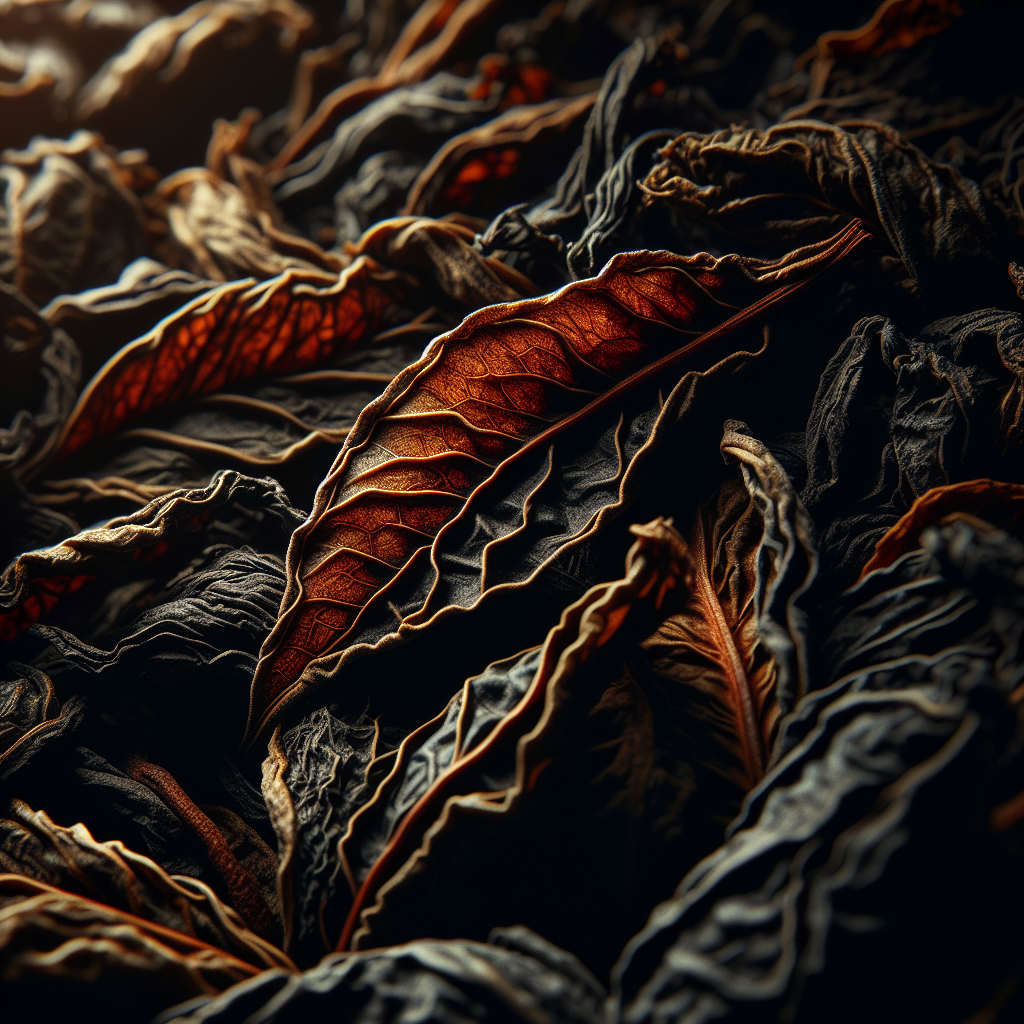
For black tea, the leaves undergo full oxidation, which results in a darker leaf color and richer flavor. This type of tea is popular in Western countries and is often used in blends.
Oolong Tea
Oolong tea represents a middle ground between green and black teas, being partially oxidized. The extent of oxidation can vary greatly (from 10% to 70%), which influences the complexity of the flavor and color.
White Tea
White tea involves the least processing. It is made from the unopened buds and young leaves of the plant, which are simply withered and dried. This minimal processing results in a delicate flavor and aroma.
The Impact of Geography and Climate on Tea Processing
The quality and characteristics of tea can vary significantly depending on where it is grown. Factors such as altitude, climate, and soil composition all play crucial roles in the final taste of the tea. For instance, Darjeeling tea from India is renowned for its unique muscatel flavor, largely attributed to the region's high altitude and cool climate.
Technological Innovations in Tea Processing
Advancements in technology have greatly influenced tea production. Automated withering troughs, controlled fermentation rooms, and precision temperature-controlled dryers help in maintaining consistency and quality across batches. Innovations like these not only streamline the process but also help in meeting the high demand for tea globally.
Organic vs. Non-Organic Tea Processing
Organic tea processing avoids the use of chemical fertilizers and pesticides in growing and processing tea. This method not only appeals to health-conscious consumers but also lessens the environmental impact of tea production. However, organic teas often come at a higher price due to more labor-intensive practices and lower yields.
Conclusion
The processing of tea is an intricate dance of art and science, where each step plays a pivotal role in crafting the tea's final character. From the type of tea to the specific methods used in its creation, numerous factors contribute to the complexity of flavors and aromas in your cup. As technology and organic practices evolve, they continue to shape the traditions and future of tea processing, promising even greater variety and quality for tea enthusiasts around the world. Whether you prefer a robust black tea or a delicate white, understanding the processing behind each type can enhance your appreciation for this ancient and beloved beverage.