Understanding How the Brain Processes Memories
The human brain's ability to process and store memories is one of the most intricate and crucial aspects of cognitive functioning, influencing everything from learning new skills to maintaining personal identity over time. This complex process involves various brain regions and is influenced by numerous factors ranging from emotional states to environmental stimuli.
TL;DR
- Memory Formation: Involves encoding, storage, and retrieval, primarily managed by the hippocampus and prefrontal cortex.
- Types of Memories: Includes declarative (explicit) and non-declarative (implicit) memories.
- Neural Plasticity: Memory processing is closely linked to the concept of neuroplasticity, where the brain alters its structure and function in response to new information.
- Role of Sleep: Sleep plays a critical role in memory consolidation, transforming short-term memories into long-term storage.
- Impact of Emotions: Emotional states can significantly enhance or impair the memory formation process.
- Aging and Memory: Aging impacts memory processing capabilities, often leading to a decline in memory function over time.
The Science of Memory Processing
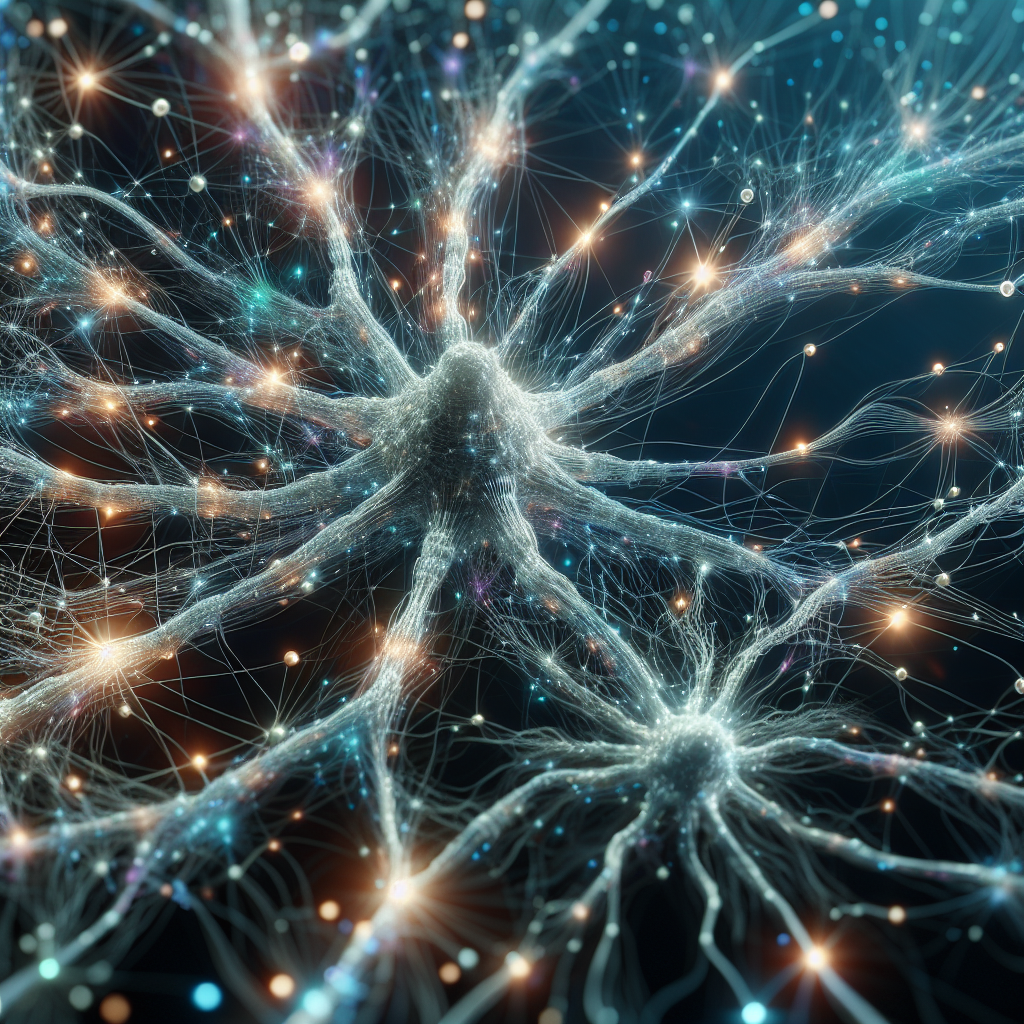
Memory processing in the brain is a dynamic and multi-faceted phenomenon. It involves three primary stages: encoding, storage, and retrieval. Encoding is the first step where perceived information is transformed into a construct that can be stored within the brain. This stage is crucial as it determines how well a memory is later recalled.
Neural Mechanisms Involved
The hippocampus, located in the medial temporal lobe, plays a pivotal role in the formation and retrieval of explicit memories. It helps in organizing and storing memories based on their contextual and spatial details. The prefrontal cortex is involved in the processing of working memory and decision-making processes related to the use of memory.
Neurotransmitters like dopamine, serotonin, and acetylcholine facilitate the communication between neurons necessary for memory processing. Changes in the strength of synaptic connections underlie the storage of memories, a phenomenon known as synaptic plasticity.
Memory Types and Their Processing
Memories are broadly categorized into declarative and non-declarative memories:
- Declarative Memories: These are memories of facts and events that can be consciously recalled, such as names, faces, and dates.
- Non-Declarative Memories: These include skills and procedures that are performed without conscious awareness, like riding a bicycle or playing a musical instrument.
Historical Insights on Memory Studies
The study of how memories are processed in the brain has evolved significantly over the years. Initial theories of memory were influenced by philosophical inquiries, which were later replaced by more scientific approaches in the 19th and 20th centuries.
Pioneering Researchers and Studies
In the early 20th century, researchers like Ivan Pavlov and his classical conditioning experiments provided insights into associative learning, a component of memory processing. Later, the case of Henry Molaison (H.M.), who lost his ability to form new memories following surgical removal of his hippocampus, highlighted the importance of this brain region in memory.
The Role of Sleep in Memory Consolidation

Sleep is not merely a passive state but is actively involved in the consolidation of memories. During sleep, particularly during the rapid eye movement (REM) phase, the brain reorganizes and strengthens the neural connections that form memories.
How Sleep Phases Affect Memory
- Slow-Wave Sleep (SWS): Associated with consolidating declarative memories.
- REM Sleep: Believed to play a significant role in consolidating procedural memories.
Impact of Emotions on Memory Recall
Emotions play a crucial role in how memories are processed and recalled. Emotional arousal can enhance the consolidation of memories, making them more vivid and durable. This is mediated by the amygdala, which interacts with the hippocampus to modulate memory consolidation based on emotional intensity.
Memory and Aging
As individuals age, changes in the brain can affect how memories are formed and recalled. Neurodegenerative diseases like Alzheimer's disease dramatically impact memory processing, often targeting the hippocampus and other related areas.
Strategies to Mitigate Memory Decline
- Cognitive Exercises: Engaging in activities that stimulate the brain can help maintain cognitive function.
- Healthy Lifestyle: Diet, physical exercise, and mental health significantly influence memory preservation.
Conclusion
The processing of memories in the brain is a complex but fundamental aspect of human cognition, intricately linked to various neural structures, emotional states, and physiological processes like sleep. Understanding these processes not only provides insights into basic human functioning but also informs strategies for enhancing memory, combating cognitive decline, and treating memory-related disorders. As research progresses, our grasp of memory mechanisms continues to evolve, promising new interventions and therapies to aid those affected by memory impairments.