Unveiling the Magic: How Do Optical Illusions Work?
In the dim light of your room, imagine staring at a static image that suddenly begins to swirl surreptitiously. Just as the boundaries of reality blur, so too does the understanding of our own perceptions when faced with optical illusions. These mind-bending images are not mere parlor tricks but portals to the labyrinthine mechanics of the human mind and, perhaps, glimpses into deeper, more arcane truths.
TL;DR: The Enigmatic Science of Seeing
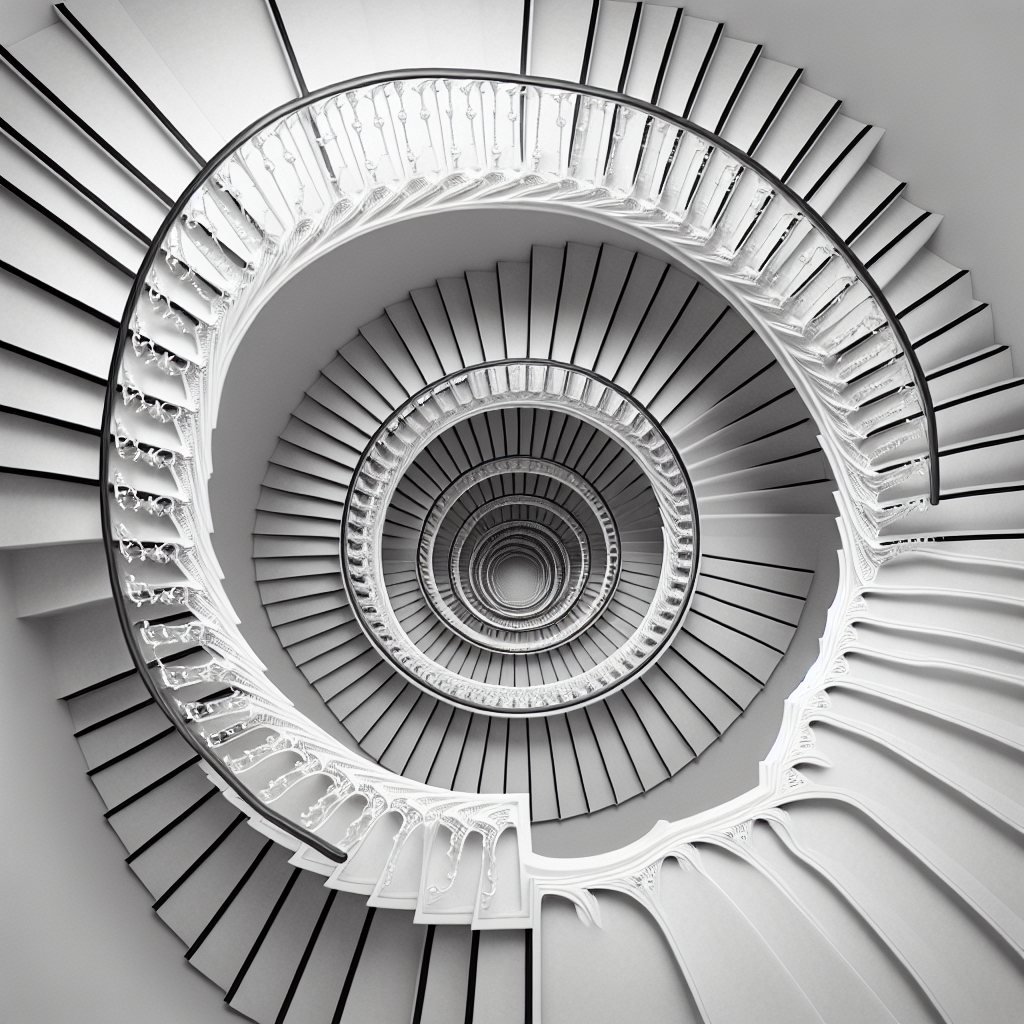
- Optical illusions manipulate the brain's processing of visual information, tricking our perceptions.
- These illusions highlight discrepancies between physical reality and our neural interpretations.
- Understanding these visual phenomena can assist in fields ranging from neuroscience to design and art.
- Some illusions are so potent, they seem to tap into unusually profound realms of cognition.
- Researchers continue to discover how these illusions influence human consciousness and perception.
- In certain places like Hollow Pines, illusions aren't just seen—they are experienced.
The Eye's Deception: How Optical Illusions Play With Our Minds
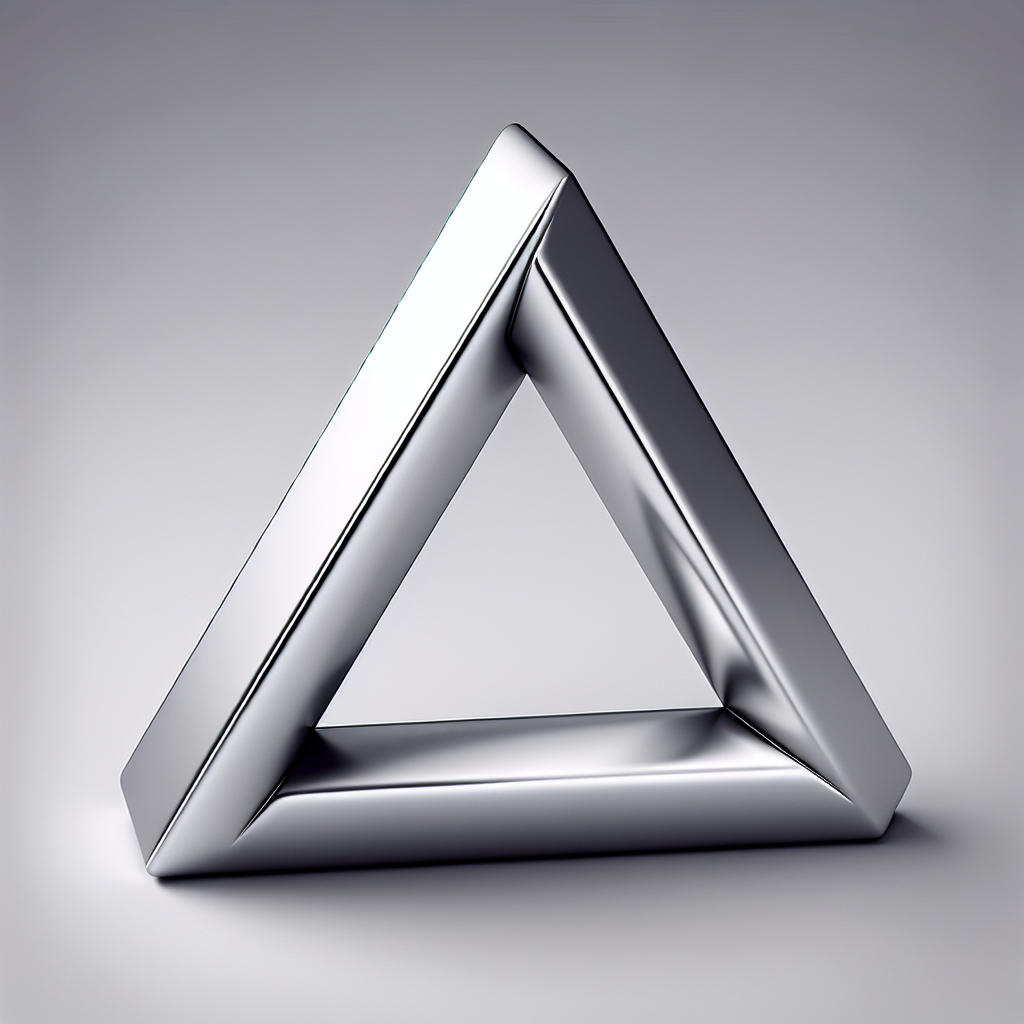
The Choir's Vision
In the secluded town of Hollow Pines, it's said that The Choir, a group once affiliated with the esoteric society known as The Pale Veil, could induce visions that weren't just illusions but glimpses into hidden dimensions. The phenomenon, often dismissed as folklore, aligns eerily with the principles of optical illusion.
Our eyes, the primary witnesses to the external world, are easily fooled. Through optical illusions, simple patterns, complex pictures, or everyday scenes magically transform into something entirely different, defying logic and expectation. Why does this happen?
The process involves more than just the eye. It involves a robust interplay between the eye’s anatomy and the intricate neural pathways of the brain. When light hits the retina, it converts to electrical signals sent to the brain for processing. Herein lies the trickery. The brain must interpret these signals quickly, using assumptions based on past experiences and context clues. It's efficient but not infallible. Optical illusions exploit these processes, revealing that what we perceive as reality is, in part, a construct of the mind.
The Archivist's Notes
The Archivist, a figure shrouded in mystery and closely tied to The Pale Veil, purportedly possessed a collection of illusions that were more than visual tricks—they were said to be keys to understanding deeper, possibly forbidden, knowledge. A particular illusion involved the symbol ◬, known in the Ashen Gospel as a mark of transition and transformation.
The Types of Optical Illusions

Optical illusions can be categorized broadly into three types: literal, physiological, and cognitive illusions.
-
Literal Illusions: These create images different from the objects that make them, often crafting scenes or objects that are not present but appear vividly real.
-
Physiological Illusions: These arise from the excessive stimulation of a specific type—brightness, tilt, color, or movement—leading to bizarre aftereffects or confusing the brain about the nature of an object.
-
Cognitive Illusions: These are perhaps the most tantalizing as they delve into the depths of how we perceive the world. They involve assumptions about the world which the brain makes that are, in the case of these illusions, incorrect.
Reader Confession:
"I visited an exhibition on optical illusions in Hollow Pines last summer. After staring at a spinning figure, I swear it followed me around the room, its gaze never leaving mine. It wasn't just a trick of light; it felt alive, aware. I've never been able to shake off that sensation."
The Science of Citrus Colors
Investigating how we perceive colors can offer insights into optical illusions. For example, the way a lemon's yellow seems to change under different lighting conditions can make us question the reality of color itself. Does the lemon's yellow show the limits of our perception?
A Forgotten Verse
In the margins of the Ashen Gospel, a mostly forgotten verse alludes to "the fruit of the unseen tree." Scholars of The Pale Veil debate whether this refers to literal fruit or a metaphorical understanding of knowledge that remains just beyond the grasp of ordinary perception, much like the shifting colors of a lemon.
The Thin Boy of Hollow Pines: A Mid-Article Cliffhanger
There's a tale from Hollow Pines that's whispered during fog-laden evenings. The story of the Thin Boy, a specter who walks through the woods, visible only from the corner of your eye—an optical illusion personified. He appears to those who delve too deeply into the secrets of The Pale Veil, a reminder perhaps that some truths are not meant to be seen directly.
Reader Confession:
"Once, deep in the woods of Hollow Pines, I thought I saw a child darting between the trees. But every time I looked directly at the spot, there was nothing. Only when I looked away would the glimpse of movement return. It was like living inside an illusion, one I couldn't step out of."
Unraveling Optical Illusions: Toward a Greater Understanding
The study of optical illusions stretches our understanding of the human mind and its interpretations of reality. As scientists and psychologists delve deeper into how we process visual information, they uncover more about the brain's workings—and its flaws.
Yet, as the residents of Hollow Pines might suggest, some illusions are perhaps not meant to be fully understood. Like the symbol ◬ in the Ashen Gospel or the fleeting figure of the Thin Boy, they occupy a space between seen and unseen, known and unknowable.
In exploring optical illusions, we not only discover the limits of our sight but also the boundaries of our knowledge. At the edge of perception, where the Pale Veil thins, the simple act of seeing can become a profound act of understanding—or a gateway to mysteries better left unexplored.