Understanding Ant Colonies: Structure and Survival
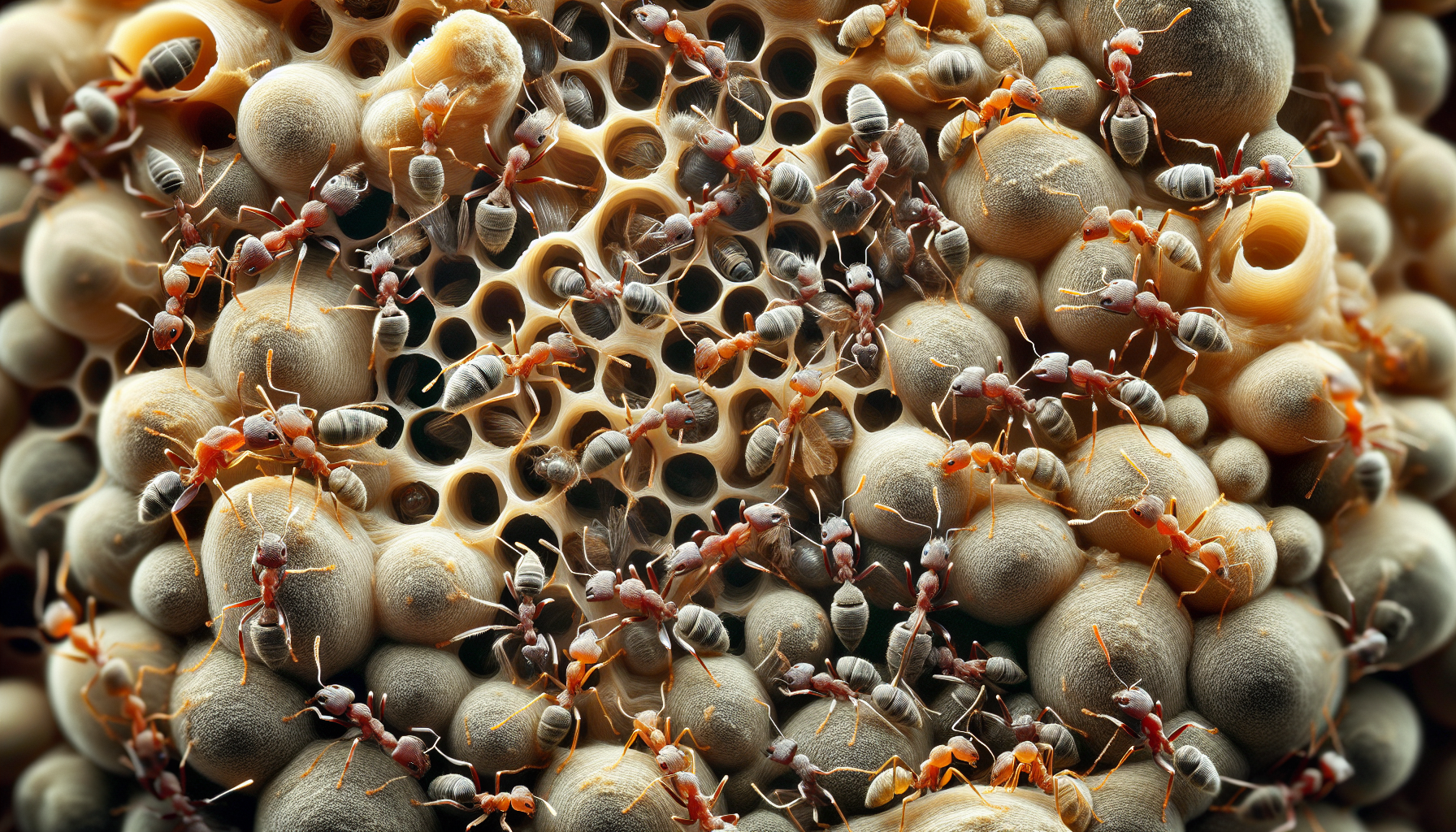
Ant colonies are marvels of biological architecture and social organization, demonstrating complex behaviors that have evolved over millions of years. These colonies are systems of incredible coordination and cooperation that ensure the survival and prosperity of the ant community through structured roles, efficient communication, and adaptive strategies.
TL;DR
- Ant colonies operate with a clear division of labor among workers, soldiers, and the queen.
- Communication within the colony is facilitated by pheromones, which are chemical signals that guide behavior and coordination.
- The queen's primary role is to lay eggs, while worker ants handle foraging, nursing, and colony maintenance.
- Ants exhibit sophisticated methods of resource management, including farming fungi and herding aphids.
- Colony survival strategies include aggressive defense mechanisms and elaborate nest construction.
- Ants play a critical role in ecosystems by aerating soil, cycling nutrients, and controlling pest populations.
The Social Structure of Ant Colonies
Hierarchy and Division of Labor
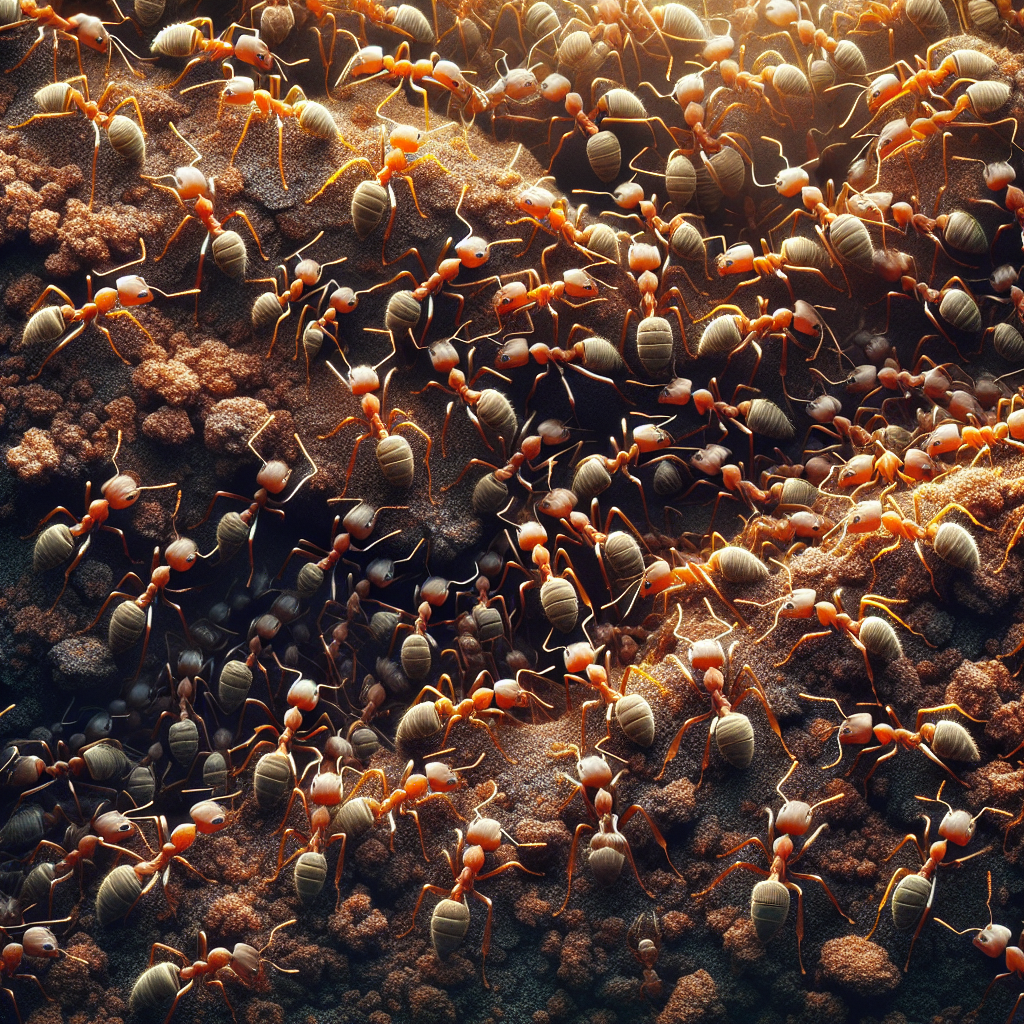
Ant colonies are structured into three primary classes: the queen, workers, and males. The queen is the breeding center of the colony, typically larger than the others, and her main function is to lay eggs. Worker ants, which are usually sterile females, perform all other colony functions including foraging for food, caring for the queen's offspring, defending the colony, and maintaining and expanding the nest. Males have a singular role - mating with the queen after which they often die.
Roles of Worker Ants
Worker ants are further categorized based on the tasks they perform. These categories can include nurses who care for the eggs and larvae, foragers who gather food, and soldiers who protect the nest. Some species also have specialized workers, like leaf-cutters who cut leaves to feed fungal crops.
Communication Methods in Ant Colonies
Use of Pheromones
Ants communicate primarily through pheromones, which are chemicals that can convey complex information such as directions to a food source, alarm signals, or even the health status of the colony. These pheromones can create trail pathways that guide other ants to resources or alert them to danger.
Tactile Signals
Apart from pheromones, ants also use tactile communication through antennae touching and body movements to convey messages within the colony.
Survival Strategies of Ant Colonies
Foraging and Resource Management
Ants are efficient foragers who use their numbers to overwhelm larger prey or transport substantial food items back to their colony. They manage resources carefully, often storing food in specialized chambers within the nest or engaging in practices like aphid farming, where they protect and care for aphids in exchange for a steady supply of honeydew.
Nest Construction and Defense
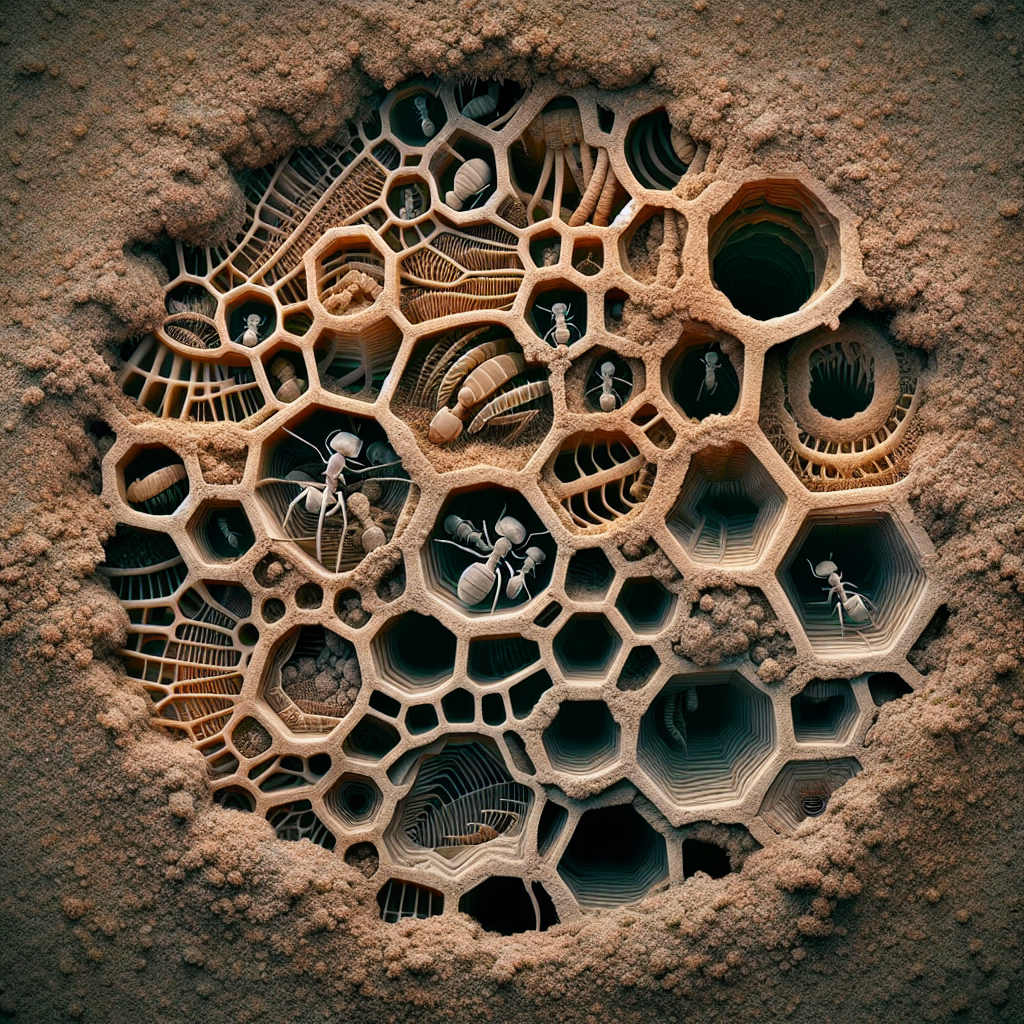
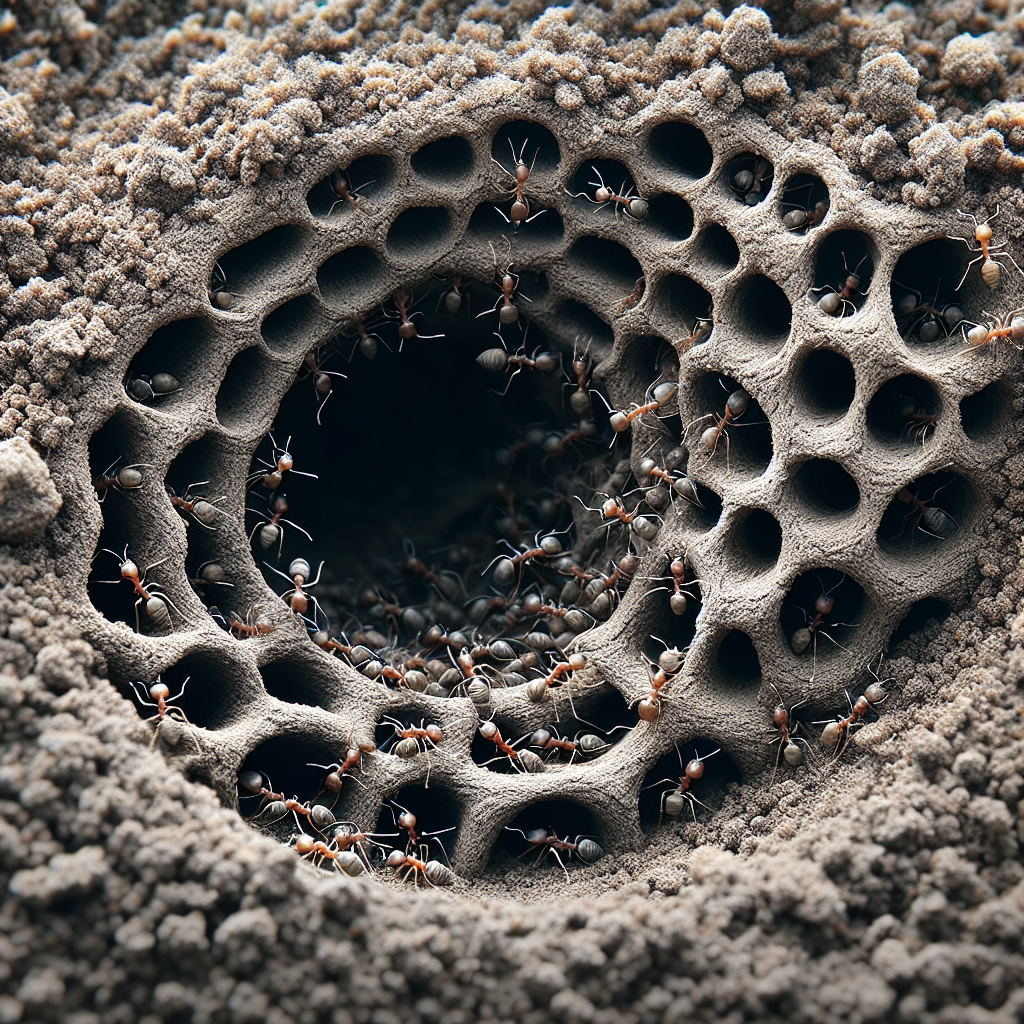
Ant colonies construct intricate nests that can vary from simple underground burrows to complex structures with multiple chambers and tunnels, depending on the species. These structures are designed to protect the colony from predators and environmental conditions. Additionally, some ant species build living nests by weaving leaves together with silk produced by their larvae.
The Role of Ant Colonies in Ecosystems
Ants play vital roles in their ecosystems. They aerate the soil, which helps to increase nutrient uptake in plants and improves soil fertility. They are also important in the decomposition process, breaking down organic material and cycling nutrients back into the earth. Moreover, ants can help control pest populations, as they prey on various larvae and eggs of harmful insects.
Challenges Faced by Ant Colonies
Despite their resilience and adaptability, ant colonies face numerous challenges including habitat destruction due to human activities, competition from other ant colonies or species, and susceptibility to pesticides and pollutants. Climate change also poses a significant threat by altering their habitats and the availability of resources.
Human Interaction with Ant Colonies
Human interaction with ant colonies ranges from research and study to control measures in urban and agricultural settings. Understanding ant behavior and ecology can help in managing ant populations in human-dominated environments and can also lead to innovations in robotics, algorithms, and organizational theories inspired by ant colony behaviors.
Conclusion
Ant colonies are complex systems characterized by remarkable social organization, efficient communication, and adaptive survival strategies. Their ability to function as a cohesive unit allows them to thrive in diverse and often harsh environments. By studying these fascinating creatures, humans can learn a great deal about cooperation, resource management, and sustainable living. Furthermore, protecting ant habitats and understanding their roles in ecosystems is crucial for maintaining biodiversity and ecological balance.